-
Technology
-
Industry
-
Solutions
-
- ASSET MANAGEMENT
- CUSTOMER EXPERIENCE MANAGEMENT
- CYBER SECURITY
- DATA CENTER
- DOCUMENT MANAGEMENT
- ELECTRONIC DATA INTERCHANGE
- ENTERPRISE DATA MANAGEMENT
- ENTERPRISE RESOURCE PLANNING
- ENTERPRISE RISK MANAGEMENT
- ENTERPRISE-GRADE WEB DATA SOLUTIONS
- FACILITY MANAGEMENT
- FIELD SERVICE
- IDENTITY AND ACCESS MANAGEMENT
- INFRASTRUCTURE
- IT SERVICE MANAGEMENT
- MANAGED IT SERVICES
- PAYMENT AND CARD
- PROJECT MANAGEMENT
- SOFTWARE TESTING
- STORAGE
- VIDEO SOLUTIONS
- WORKFLOW
-
-
Platforms
-
Functions
- Leadership Perspectives
- Innovation Insights
- Research
- Magazines
- News
- CXO Awards


Erica Teiger
VP, Human Resources, COEs
Building People Systems for Business Change
Erica Teiger, VP, Human Resources, COEs, Unity
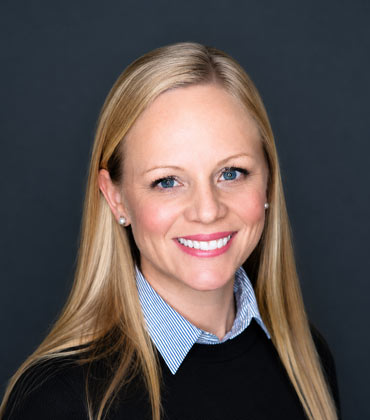
Erica Teiger is the vice president, human resources, centers of excellence at Unity. Her career spans compensation, HR operations and enterprise people strategy across large organizations. At Unity, she leads HR centers of excellence that support workforce practices across the company. Her career trajectory reflects a sustained focus on creating people frameworks that remain effective through periods of organizational change.
Making Consistency Work across Different Teams
Technology companies often struggle to maintain consistent employee experiences because of the shift in business priorities and workforce structures. The challenge becomes more pronounced when organizations operate across multiple locations and functions that require different talent approaches.
Teiger’s role is rooted in addressing that tension. Leading centers of excellence requires establishing company-wide standards while allowing enough flexibility for teams facing different business realities. The work extends beyond policy creation. It involves determining how compensation practices, workforce programs and employee support structures can remain relevant as organizational needs change.
Her prior experience in compensation and HR leadership contributes to this perspective. Those disciplines demand a lot of emphasis on fairness, governance and business requirements. The combination is particularly important in software organizations where competition for specialized talent remains persistent, and workforce decisions carry long-term consequences.
Aligning Workforce Decisions with Business Needs
Many HR leaders are asked to support change after making decisions, but centers of excellence helps organizations build repeatable frameworks before pressure points emerge.
Teiger’s career includes responsibilities tied to compensation strategy, HR operations and integration work. Those experiences sit close to moments when organizations must align workforce decisions with business objectives. The challenge is rarely limited to policy design. It involves creating structures that managers can apply consistently while still addressing changing workforce demands.
At Unity, her mandate sits within a business environment where teams should adapt to market shifts, changing client needs and constant competition for technical talent. HR centers of excellence help create the guardrails that support these adjustments and balances employee expectations with the practical business realities.
That balance requires judgment. Workforce programs may look effective on paper, yet create friction when applied across different teams. The work of a center of excellence leader often involves identifying those gaps before they affect employees or managers.
Reducing Friction during Organizational Change
Periods of transition frequently expose weaknesses in people processes. Employees seek clarity while managers look for guidance that can be applied consistently. Organizations without clear frameworks often find themselves responding to issues case by case.
Teiger’s responsibilities place her close to those moments. Her focus on enterprise-wide HR practices requires attention to how decisions are communicated and implemented throughout the organization. Consistency becomes particularly important when business conditions require adjustments to workforce structures or employee programs.
The significance of that work lies in its reach. A single people decision can affect hiring plans, compensation discussions and employee experience across multiple functions. Centers of excellence provide the structure that allows organizations to manage those decisions with greater coherence.
Her career path reflects the increasing expectation on HR leaders to understand both workforce dynamics and business realities. Instead of treating people practices as a separate function, her work centers on building frameworks that support organizational effectiveness. At the same time, she focuses on maintaining clear standards for employees.
Organizations facing workforce complexity realize that the strength of the people function depends more on the systems behind individual programs. Teiger’s role shows how HR leadership centers on creating these systems and ensuring they remain useful when business conditions and employee expectations evolve.

Unity
VP, Human Resources, COEs
Erica Teiger is the vice president, human resources, centers of excellence at Unity. Her career spans compensation, HR operations and enterprise people strategy across large organizations. At Unity, she leads HR centers of excellence that support workforce practices across the company. Her career trajectory reflects a sustained focus on creating people frameworks that remain effective through periods of organizational change.

