-
Technology
-
Industry
-
Solutions
-
- ASSET MANAGEMENT
- CUSTOMER EXPERIENCE MANAGEMENT
- CYBER SECURITY
- DATA CENTER
- DOCUMENT MANAGEMENT
- ELECTRONIC DATA INTERCHANGE
- ENTERPRISE DATA MANAGEMENT
- ENTERPRISE RESOURCE PLANNING
- ENTERPRISE RISK MANAGEMENT
- ENTERPRISE-GRADE WEB DATA SOLUTIONS
- FACILITY MANAGEMENT
- FIELD SERVICE
- IDENTITY AND ACCESS MANAGEMENT
- INFRASTRUCTURE
- IT SERVICE MANAGEMENT
- MANAGED IT SERVICES
- PAYMENT AND CARD
- PROJECT MANAGEMENT
- SOFTWARE TESTING
- STORAGE
- VIDEO SOLUTIONS
- WORKFLOW
-
-
Platforms
-
Functions
- Leadership Perspectives
- Innovation Insights
- Research
- Magazines
- News
- CXO Awards












Featuring Mark Wynkoop
Director, IT Infrastructure
Building Trust Through Stable Infrastructure
Featuring Mark Wynkoop, Director, IT Infrastructure, Equitable Holdings
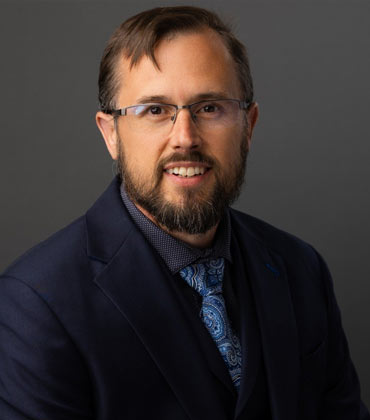
Mark Wynkoop is Director, IT Infrastructure at Equitable, where he leads enterprise infrastructure supporting a large financial services organization. Backed by more than two decades in systems engineering and infrastructure leadership, his career reflects a consistent focus on reliability, technical depth and developing teams that can sustain complex enterprise environments through constant change.
Making reliability part of every decision
Financial services organizations rarely measure infrastructure by how much attention it receives. Success is usually defined by what customers and employees never experience, whether that means outages, delayed transactions or interrupted access to critical applications.
That expectation guides Wynkoop's leadership. His job is to make technology choices that balance updating systems with service. This is crucial in a business where being online affects how customers feel about the company every day.
The focus of infrastructure shifts from hardware to building a setup that lets the business run smoothly without unnecessary downtime.
His long tenure at Equitable also provides an institutional perspective. Having spent more than two decades with the organization through its evolution from AXA Equitable to Equitable, he has experienced changing technology platforms, business priorities and security expectations while maintaining continuity for the enterprise. That continuity becomes especially valuable when infrastructure changes must support both long-term strategy and immediate business needs.
Technical depth backed by continuous learning
Enterprise infrastructure leadership is changing fast. This is because of cloud services, cybersecurity needs and automation. They are reshaping how technology is managed. Just having experience is not enough to keep up.
Wynkoop's professional growth shows he focuses on staying technically strong while leading. He has certifications like Red Hat Certified Engineer, Red Hat Certified System Administrator and ITIL Foundations. These prove he keeps investing in infrastructure areas that are key to enterprise computing.
Wynkoop's technical background goes beyond implementing solutions. He is also an inventor on a U.S. Patent for network health scoring. This system checks the communications infrastructure. Prioritizes maintenance based on clear indicators. This work shows an engineering approach that finds issues before they become business problems.
Leading people who support critical systems
Infrastructure leadership depends on experienced teams capable of responding to changing demands without losing sight of service quality. Technical expertise matters, yet sustained performance also relies on collaboration and informed decision-making.
People who used to work with Wynkoop say he is a leader who knows a lot about systems, networking and taking care of infrastructure. They like that he helps people think about the picture and not just their own part of the job. Wynkoop seems to think that it is important to use sense when making decisions and not just rely on technical skills. This way, teams can think about how their work will affect the company instead of just focusing on one small thing.
Wynkoop works at a company that helps people with money, and they have millions of customers. The decisions he makes about infrastructure can affect how well the systems work. That is important for people who are getting advice, planning for retirement or buying insurance. Because of this, Wynkoop has to make sure that the technology teams are working well with the rest of the company and not just making decisions on their own. Wynkoop and his team have to think about how their work will affect the company and make sure they are doing what is best for everyone.
Reliable infrastructure rarely becomes visible when everything functions as expected. Mark Wynkoop’s career reflects the discipline required to keep enterprise technology dependable while adapting to new technical demands. His combination of long-term organizational knowledge, engineering expertise and commitment to continuous learning offers a practical example of the judgment expected from modern IT infrastructure leadership.
Equitable Holdings
Director, IT Infrastructure
Mark Wynkoop is Director, IT Infrastructure at Equitable, where he leads enterprise infrastructure supporting a large financial services organization. Backed by more than two decades in systems engineering and infrastructure leadership, his career reflects a consistent focus on reliability, technical depth and developing teams that can sustain complex enterprise environments through constant change.
