-
Technology
-
Industry
-
Solutions
-
- ASSET MANAGEMENT
- CUSTOMER EXPERIENCE MANAGEMENT
- CYBER SECURITY
- DATA CENTER
- DOCUMENT MANAGEMENT
- ELECTRONIC DATA INTERCHANGE
- ENTERPRISE DATA MANAGEMENT
- ENTERPRISE RESOURCE PLANNING
- ENTERPRISE RISK MANAGEMENT
- ENTERPRISE-GRADE WEB DATA SOLUTIONS
- FACILITY MANAGEMENT
- FIELD SERVICE
- IDENTITY AND ACCESS MANAGEMENT
- INFRASTRUCTURE
- IT SERVICE MANAGEMENT
- MANAGED IT SERVICES
- PAYMENT AND CARD
- PROJECT MANAGEMENT
- SOFTWARE TESTING
- STORAGE
- VIDEO SOLUTIONS
- WORKFLOW
-
-
Platforms
-
Functions
- Leadership Perspectives
- Innovation Insights
- Research
- Magazines
- News
- CXO Awards








Robert L. Mayfield
Director and Global Compliance
Compliance Is More Than Following the Rules
Robert L. Mayfield, Director and Global Compliance, Ingersoll Rand
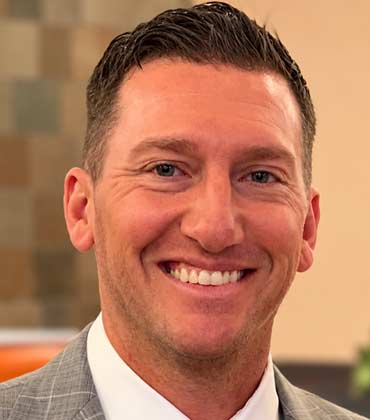
People do not wake up each morning thinking about compliance. They think about serving customers, delivering results, solving problems, and moving the business forward. For Robert L. Mayfield, that reality is precisely why compliance cannot succeed as a function that simply tells the business what it can and cannot do.
Mayfield learned that lesson from the operational side of international business. His career moved through international customer service, logistics, supply chain, traffic, and trade compliance before expanding into broader global compliance leadership. Working directly with imports, exports, customs regimes, and logistics operations showed him that regulatory risk rarely exists in isolation. It emerges within business decisions, often at the point where commercial priorities, operational realities, and regulatory requirements meet.
That experience shaped how Mayfield leads compliance today. He sees it not simply as a mechanism for preventing violations, but as a strategic business capability that helps organizations navigate complexity, make better decisions, protect their reputation, and pursue growth with integrity.
Mayfield's approach to compliance culture starts with a simple recognition: employees come to work thinking about customers, results, and solving problems, not policies. For accountability to become part of everyday decision-making, leaders must model the behavior they expect, responsibility for risk must extend beyond compliance, and employees must feel safe raising concerns. For Mayfield, transparency, accountability, and trust are not concepts confined to policy documents. They are principles that have to hold up when an organization is under pressure and going through change.
One of the clearest tests came when Gardner Denver and Ingersoll Rand came together in 2020. For Mayfield, leading the integration of their legacy compliance programs was a humbling experience. Rather than deciding which legacy approach should prevail, he focused on building the best program for the combined company, listening to both sides and harmonizing their strongest elements around practical solutions.
 Breadth does not mean becoming the deepest technical expert in every discipline. It means understanding the larger landscape, connecting information others may see in isolation, and helping the organization make sound decisions.

The process demanded adaptability and credibility as employees navigated significant organizational change. By resisting an “us versus them” dynamic, Mayfield helped create a unified compliance function that preserved the strengths of both organizations while serving the combined company's needs.
Mayfield's experience across multiple compliance disciplines has shaped how he evaluates risk. His career began in trade compliance and international operations before expanding into ethics, governance, investigations, and other regulatory areas. That breadth taught him that risks rarely appear in neat categories. A single business decision can involve trade data, sanctions, anti-corruption, privacy, regulatory, and operational considerations. Rather than viewing an issue through a single regulatory lens, he considers its broader business, reputational, and long-term implications, while working across functions such as operations, supply chain, legal, finance, human resources, and commercial teams.
“Breadth does not mean becoming the deepest technical expert in every discipline,” says Mayfield. “It means understanding the larger landscape, connecting information others may see in isolation, and helping the organization make sound decisions.”
That broader perspective also explains what Mayfield considers the clearest marker of his leadership evolution: it is not a particular investigation, policy, or regulatory milestone, but the shift from being a subject matter expert in trade compliance to leading compliance as a strategic business function. Early in his career, success was measured largely through technical expertise, regulatory knowledge, and solving specific operational challenges. As his responsibilities expanded, he became increasingly involved in discussions around growth, acquisitions, supply-chain decisions, market expansion, and broader risk management. His role evolved from managing compliance activities to helping leadership teams understand how compliance considerations shape business outcomes.
That evolution shapes Mayfield's view of where the profession is headed. AI, geopolitical tensions, and global disruptions will continue to create new compliance challenges. But he sees a more fundamental shift: compliance is moving from a reactive control function toward a strategic business capability. Technical expertise will remain essential, but Mayfield believes business acumen will increasingly distinguish the strongest compliance leaders. They will need to understand how organizations operate, grow, and compete, connect across functions, anticipate emerging challenges, and help leadership teams make informed decisions amid constant change. In his view, the most effective compliance leaders will be trusted advisors who can speak the language of the boardroom as comfortably as they speak the language of regulations.
For Mayfield, the future belongs to compliance leaders who understand both regulations and the business decisions they shape. His own career reflects that evolution, from learning compliance through international business to helping organizations think about risk as part of how they grow and operate. In that model, compliance does more than prevent problems. It helps leaders make better decisions, navigate uncertainty, and move forward with confidence.
Ingersoll Rand
Director and Global Compliance
People do not wake up each morning thinking about compliance. They think about serving customers, delivering results, solving problems, and moving the business forward. For Robert L. Mayfield, that reality is precisely why compliance cannot succeed as a function that simply tells the business what it can and cannot do.
