-
Technology
-
Industry
-
Solutions
-
- ASSET MANAGEMENT
- CUSTOMER EXPERIENCE MANAGEMENT
- CYBER SECURITY
- DATA CENTER
- DOCUMENT MANAGEMENT
- ELECTRONIC DATA INTERCHANGE
- ENTERPRISE DATA MANAGEMENT
- ENTERPRISE RESOURCE PLANNING
- ENTERPRISE RISK MANAGEMENT
- ENTERPRISE-GRADE WEB DATA SOLUTIONS
- FACILITY MANAGEMENT
- FIELD SERVICE
- IDENTITY AND ACCESS MANAGEMENT
- INFRASTRUCTURE
- IT SERVICE MANAGEMENT
- MANAGED IT SERVICES
- PAYMENT AND CARD
- PROJECT MANAGEMENT
- SOFTWARE TESTING
- STORAGE
- VIDEO SOLUTIONS
- WORKFLOW
-
-
Platforms
-
Functions
- Leadership Perspectives
- Innovation Insights
- Research
- Magazines
- News
- CXO Awards


Contributory Virtus Investment Partners on the invitation from our Editorial

FirstGroup America
Jason Blumenauer, Senior Director, Head of SecurityBuilding and Maintaining a Risk Averse Security Program
Jason Blumenauer, Senior Director, Head of Security

In today's working environment, it is more important than ever that the people managing your operations have a strong understanding of security fundamentals. The company's security department injects this knowledge, tools, and resources to build, manage, and maintain a risk-averse organization. If a security department is lucky enough to have the headcount and budget necessary to inject and manage security, the security department can complete a lot of that work. If security has a smaller footprint, it is essential that operational leadership understands the importance of security and integrates the program into their day-to-day activities. Either layout will require a robust security program to create the foundation necessary to support the organization.
Collaboration and partnership with operational leadership are critical if the company's security department is on the smaller side. Security should be an essential expression of a company's proactive business philosophy. This means more than simply dealing with security incidents when they happen. It is committed to protecting and developing security assets and helping achieve business objectives. Security begins with identifying business resources such as people, property, assets, and information. After identifying these resources and the associated risks, you can design and implement a security program that safeguards the investments.
A strong security program introduces general guidelines for implementing and maintaining a security culture. A facility or operation should always be able to obtain everything necessary to create a baseline security program through the utilization of resources such as a security portal page that houses relevant policies and procedures, quick reference guides, vetted security vendors, and a toolbox of security information. The program must be branded, consistent with its messaging, and constantly assessed and updated.
"If security has a smaller footprint, it is essential that operational leadership understands the importance of security and incorporates the program into their day-to-day activities"
The idea is to have a security program that helps business leaders run more effective, efficient, and risk-averse operations. The goal is to embed leaders with security knowledge so that they have what is needed to share that knowledge with their teams. Business leaders are the influencers that build our teams in the field, and the organization is only as successful as they are at influencing the strategy and ensuring the operations stay in line with the company's priorities.
Why is your ability to influence security objectives so important?
You can either be reactive or proactive when navigating through a security concern. Influencing management to recognize the importance of understanding the security program and injecting it into their day-to-day activities will not only minimize risk proactively but also strengthen the organization. When you react to a security situation, you are basically documenting the incident and identifying the loss that occurred, patching up gaps as you investigate the situation. By proactively investing in your security program, you are creating a culture that identifies potential security issues and engages appropriate resources to minimize the opportunity for disruption or loss to the operation.
No matter the security tools you use, the key to success is developing goals for your security program. You need to be detailed and explain exactly what you will do. There needs to be the ability to show progress toward completing the security goals and influence a strong security mindset throughout the leadership so that they can take that outlook and influence their operations.
What ROI’s come with a successful security program?
You need to fortify the house you operate in, and each security solution needs to be managed at the site level. The field needs to understand this is part of their job and, if managed appropriately, will provide an ROI that includes:
• Minimizes risk and potential loss
• Manages the right spend for the right security solution
• Creates a safer working environment which in turn boosts organizational health, retention, and positive recruiting support
• Has the potential to manage and monitor activity providing the ability to minimize fraudulent claims
• Provides management with a more robust toolbox to manage a crisis along with day-to-day operations in a more effective and efficient manner
• Builds the brand and provides a best-in-class service that resonates withcurrent and potential customers
• Builds a cadence that can easily resonate with the team, creating more collaboration and strengthens accountability
• Creates a more effective response that minimizes your risk and time spent on an incident
As a leader, you set the tone, and your operation will only be as successful as your ability to influence success. Leadership is important because it inspires, motivates, and sets an example for people to accomplish positive change. Leaders establish a vision, provide a plan of action, and build strong relationships with their teams. Leaders who create future leaders create long-term success.
The articles from these contributors are based on their personal expertise and viewpoints, and do not necessarily reflect the opinions of their employers or affiliated organizations.
EDITOR'S Choice

Fortune Brands Innovations [NYSE: FBIN]
By Juan Guerrero, Director, IT Audit & Data Analytics
The IT Audit Evolution: From Compliance to Strategic Intelligence
Broad River Retail
Wes Dudley, Senior Vice President, Customer Experience
Customer Experience in the Age of Amplified Complexity
Fortune Brands Innovations [NYSE: FBIN]
Scott Barnes, Sr. Director of Enterprise Cyber Security (CISO)
The X-Factor in Cybersecurity: AI and Automation at Work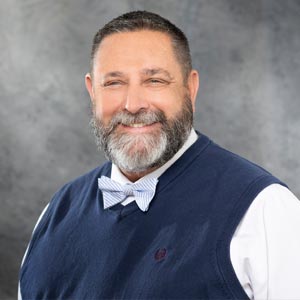

LHarris Technologies [NYSE: LHX]
Brian Allred, Director of Business Intelligence and Analytics
The Shift from Rigid Dashboards to Conversational Analytics
Ivar's Restaurants
Patrick Yearout, Director of Innovation, Recruitment & Training
From Hiring to Development: Nurturing Teams that Care