-
Technology
-
Industry
-
Solutions
-
- ASSET MANAGEMENT
- CUSTOMER EXPERIENCE MANAGEMENT
- CYBER SECURITY
- DATA CENTER
- DOCUMENT MANAGEMENT
- ELECTRONIC DATA INTERCHANGE
- ENTERPRISE DATA MANAGEMENT
- ENTERPRISE RESOURCE PLANNING
- ENTERPRISE RISK MANAGEMENT
- ENTERPRISE-GRADE WEB DATA SOLUTIONS
- FACILITY MANAGEMENT
- FIELD SERVICE
- IDENTITY AND ACCESS MANAGEMENT
- INFRASTRUCTURE
- IT SERVICE MANAGEMENT
- MANAGED IT SERVICES
- PAYMENT AND CARD
- PROJECT MANAGEMENT
- SOFTWARE TESTING
- STORAGE
- VIDEO SOLUTIONS
- WORKFLOW
-
-
Platforms
-
Functions
- Leadership Perspectives
- Innovation Insights
- Research
- Magazines
- News
- CXO Awards











Contributory Virtus Investment Partners on the invitation from our Editorial

A Good Egg Dining Group
Terry Buster, Director of ITBuilding IT Systems that Survive their Creators
Terry Buster, Director of IT
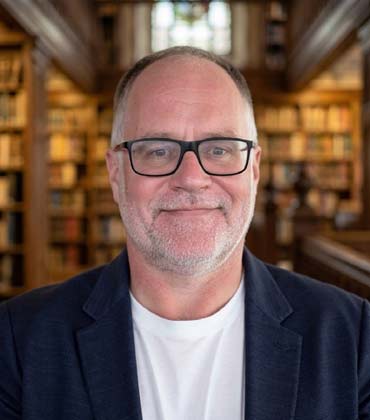
Terry Buster
What began as a straightforward device-management initiative quickly revealed something deeper. The more we tried to standardize the environment, the more obvious it became that our infrastructure wasn’t just made of tools and configurations. It was made of memory, habit, and unwritten understanding, the kind of things that work fine until the person who remembers them isn’t there anymore.
Our environment wasn’t only shaped by the technology we used. It was shaped by where our knowledge lived, how decisions were documented, who owned critical processes, and whether future teams could understand the system without relying on the people who originally built it. That’s when one lesson became unavoidable: knowledge is infrastructure.
When Technology Problems aren’t just Technology Problems
At first, the issues looked familiar: inconsistent standards, undocumented decisions, recurring questions, and device‑management challenges. Nothing unusual. These are the kinds of problems IT teams deal with every day, and it would’ve been easy to treat them as isolated technical concerns.
But the deeper we looked, the clearer it became that the technology was often just the visible symptom. The real risks were underneath tribal knowledge, unclear ownership, hidden dependencies, and processes that had quietly evolved over time without ever being captured in any organizational system.
A system can function for years while depending heavily on the memory, habits, and judgment of a few experienced people. It feels efficient in the moment, but it creates long‑term fragility. When knowledge lives primarily in individuals, every role change, absence, or transition becomes an organizational risk.
Building Systems that can be Understood
Durable systems don’t happen accidentally. They’re built on governance, documentation, clear ownership, and repeatable processes. Those things may not feel as exciting as new tools, but they determine whether those tools can be used responsibly, scaled effectively, and sustained over time.
A system isn’t mature just because it works. A system is mature when it can be understood, maintained, and evolved by people who weren’t there when it was built. If a system requires its creator to explain how it works, then the organization doesn’t truly own it yet.
Moving knowledge from individuals into organizational structures is one of the most important forms of technical maturity. Standards define expectations. Governance clarifies decisions. Documentation preserves context. Repeatable processes make success less dependent on personal interpretation. Together, they turn operational knowledge into a durable asset.
Resilience comes through Adaptation
There’s a temptation to treat core IT work as rigid: define the standard, document the process, assign ownership, and call it done. But resilient systems aren’t created by refusing to change. They’re created by adapting in a structured, intentional way.
As new information emerges, assumptions need to be revisited. Processes evolve. Documentation improves. Governance becomes more precise. The work is iterative because organizations are iterative. A structure that cannot adapt eventually becomes another constraint.
The discipline isn’t in avoiding change; it’s in making change visible, intentional, and understandable. That’s how organizations build systems that can respond to new requirements without losing coherence.
Why This Matters Beyond IT
The lessons from device management apply far beyond IT. Any organization that wants to scale, automate, adopt AI, or prepare future leaders depends on the same underlying disciplines. Growth amplifies whatever foundation already exists. When that foundation is weak, complexity increases, drift occurs, and both financial and operational costs rise.
Innovation isn’t limited by imagination. It’s limited by the strength and clarity of the systems beneath it.
Automation requires reliable processes. AI adoption requires trustworthy information and clear governance. Leadership transitions require accessible knowledge. Growth requires systems that can be understood and maintained by people who weren’t present when the original decisions were made.
The deeper we progressed, the more we realized we weren’t just strengthening technology systems. We were strengthening the organization’s ability to learn, adapt, and grow.
Knowledge is Infrastructure
Every organization depends on knowledge. The question is whether that knowledge lives only in individuals or whether it becomes part of the organization itself. When standards, governance, documentation, and repeatable processes are treated as infrastructure, they create stability that doesn’t depend on any single person.
“The ultimate measure of a successful IT system is not whether it works today, but whether it continues to enable success long after its original creators have moved on.”
Knowledge is infrastructure. When it becomes part of how the organization works, teams gain more than stability; they gain adaptability. They gain the ability to scale, innovate, and evolve long after the original creators have moved on.
The most resilient systems aren’t the ones built perfectly. They’re the ones built to be understood.
The articles from these contributors are based on their personal expertise and viewpoints, and do not necessarily reflect the opinions of their employers or affiliated organizations.
EDITOR'S Choice

Fortune Brands Innovations [NYSE: FBIN]
By Juan Guerrero, Director, IT Audit & Data Analytics
The IT Audit Evolution: From Compliance to Strategic Intelligence
Broad River Retail
Wes Dudley, Senior Vice President, Customer Experience
Customer Experience in the Age of Amplified Complexity
Fortune Brands Innovations [NYSE: FBIN]
Scott Barnes, Sr. Director of Enterprise Cyber Security (CISO)
The X-Factor in Cybersecurity: AI and Automation at Work

LHarris Technologies [NYSE: LHX]
Brian Allred, Director of Business Intelligence and Analytics
The Shift from Rigid Dashboards to Conversational Analytics
Ivar's Restaurants
Patrick Yearout, Director of Innovation, Recruitment & Training
From Hiring to Development: Nurturing Teams that CareLatest Issues


