-
Technology
-
Industry
-
Solutions
-
- ASSET MANAGEMENT
- CUSTOMER EXPERIENCE MANAGEMENT
- CYBER SECURITY
- DATA CENTER
- DOCUMENT MANAGEMENT
- ELECTRONIC DATA INTERCHANGE
- ENTERPRISE DATA MANAGEMENT
- ENTERPRISE RESOURCE PLANNING
- ENTERPRISE RISK MANAGEMENT
- ENTERPRISE-GRADE WEB DATA SOLUTIONS
- FACILITY MANAGEMENT
- FIELD SERVICE
- IDENTITY AND ACCESS MANAGEMENT
- INFRASTRUCTURE
- IT SERVICE MANAGEMENT
- MANAGED IT SERVICES
- PAYMENT AND CARD
- PROJECT MANAGEMENT
- SOFTWARE TESTING
- STORAGE
- VIDEO SOLUTIONS
- WORKFLOW
-
-
Platforms
-
Functions
- Leadership Perspectives
- Innovation Insights
- Research
- Magazines
- News
- CXO Awards


Contributory Virtus Investment Partners on the invitation from our Editorial

Cybersecurity Manager at Edita Food Industries
Khaled El-BagouryEnhancing Cybersecurity Needs More than Advanced Technologies
Khaled El-Bagoury
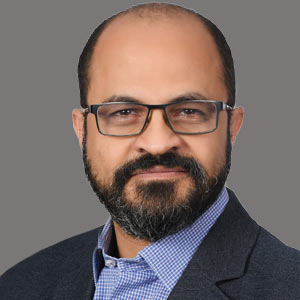
Khaled El-Bagoury, cybersecurity manager of Edita Food Industries, keeps a keen eye on every aspect of data security and management evolution. He is a seasoned IT and cybersecurity professional with decades of experience in project management in multinational environments. As a key figure in the company, he is highly skilled in understanding IT policies, cybersecurity and team management and how they translate to different business requirements.
In an interview with CIOReview, El-Bagoury shared his insights on how to break down the barriers to cybersecurity management.
Can you briefly outline the journey and key role and responsibilities?
I currently serve as the cybersecurity manager of Edita Food Industries. Having been in the industry for more than two decades, I have transitioned from various hands-on technical roles in the IT sector, which helped me become an expert. My technical experience directed me to pursue certificates in network management from Microsoft and Cisco, which significantly propelled my career into the corporate sphere.
Initially, I worked as a network administrator for General Motors, managing plant infrastructure. The 2008 economic crisis shifted my perspective on the critical need for segregation between IT and security. My career trajectory took me into project management, where I developed a tremendous passion for executing cybersecurity projects.
My journey continued as I took charge of the cybersecurity department at Edita Food Industries. Each phase has reinforced the importance of segregating cybersecurity from IT to ensure focused and effective security management.
What are some current challenges in coaching cybersecurity teams?
Cybersecurity remains a critical concern for all organizations in an era of digital transformation and social media. With the proliferation of cyber threats, if you want to maintain a successful cybersecurity team, you have to be persistent about following rules.
A fundamental principle for such a team is to possess a thorough understanding of the business and grasp the company's core values and business model. The pace of security must align with the pace of business.
 Cybersecurity remains a critical concern for all organizations in an era of digital transformation and social media. With the proliferation of cyber threats, if you want to maintain a successful cybersecurity team, you have to be persistent about following rules.
Understanding your team is equally vital. This includes recognizing the values and culture of the people within the business. Compliance with policies and procedures varies across corporate cultures, especially in tech organizations. In my experience, I have noticed that while some companies strictly adhere to policies, ensuring deviations are swiftly corrected to avoid financial losses, others might look for shortcuts to streamline processes.
Lastly, and most importantly, acquiring management's support is indispensable for successfully managing corporate cybersecurity. It will progress with continues management engagement, this includes understanding the essential role of cybersecurity in protecting the organization's operations, client data and financial assets.
The cybersecurity team must have a vision that matches the company's pace and priorities, beyond the 24/7 monitoring of networks and technology implementation.
How do you foster a culture of user awareness within a corporate organization?
To focus on a culture of user awareness, we have focused on creating a security-minded workforce, ensuring that every individual thinks and acts with a sense of responsibility. Effective awareness involves discussing personal data protection, like securing credit card numbers or medical records and making business data security relatable. Educate users on social engineering and phishing techniques by conducting campaigns, showing how attackers manipulate emotions to gain trust and access data by exploiting greed and creating a sense of false urgency. Teach users to verify anyone requesting sensitive information and encourage skepticism. Fostering careful observation and consistent protective behaviors, both personally and professionally, is essential to maintaining data confidentiality and integrity.
What is your advice to your peers and upcoming professionals?
Acquiring management support and engagement: Being transparent with management can help you get all kinds of support in necessary situations, like cyber-attacks. Understanding the goals, model and vision of the business you’re working on can help you secure and eliminate obstacles in business development. It’s fundamental to keep users informed about new attacks, vectors and methods. Understanding the culture, business approach and the flow of data in the organization can help tailoring awareness efforts effectively.
The articles from these contributors are based on their personal expertise and viewpoints, and do not necessarily reflect the opinions of their employers or affiliated organizations.
EDITOR'S Choice

Fortune Brands Innovations [NYSE: FBIN]
By Juan Guerrero, Director, IT Audit & Data Analytics
The IT Audit Evolution: From Compliance to Strategic Intelligence
Broad River Retail
Wes Dudley, Senior Vice President, Customer Experience
Customer Experience in the Age of Amplified Complexity
Fortune Brands Innovations [NYSE: FBIN]
Scott Barnes, Sr. Director of Enterprise Cyber Security (CISO)
The X-Factor in Cybersecurity: AI and Automation at Work

LHarris Technologies [NYSE: LHX]
Brian Allred, Director of Business Intelligence and Analytics
The Shift from Rigid Dashboards to Conversational Analytics
Ivar's Restaurants
Patrick Yearout, Director of Innovation, Recruitment & Training
From Hiring to Development: Nurturing Teams that CareLatest Issues