-
Technology
-
Industry
-
Solutions
-
- ASSET MANAGEMENT
- CUSTOMER EXPERIENCE MANAGEMENT
- CYBER SECURITY
- DATA CENTER
- DOCUMENT MANAGEMENT
- ELECTRONIC DATA INTERCHANGE
- ENTERPRISE DATA MANAGEMENT
- ENTERPRISE RESOURCE PLANNING
- ENTERPRISE RISK MANAGEMENT
- ENTERPRISE-GRADE WEB DATA SOLUTIONS
- FACILITY MANAGEMENT
- FIELD SERVICE
- IDENTITY AND ACCESS MANAGEMENT
- INFRASTRUCTURE
- IT SERVICE MANAGEMENT
- MANAGED IT SERVICES
- PAYMENT AND CARD
- PROJECT MANAGEMENT
- SOFTWARE TESTING
- STORAGE
- VIDEO SOLUTIONS
- WORKFLOW
-
-
Platforms
-
Functions
- Leadership Perspectives
- Innovation Insights
- Research
- Magazines
- News
- CXO Awards


Contributory Virtus Investment Partners on the invitation from our Editorial

Houston Community College
Dr. Brenda Quintanilla, Regional ManagerLeading the Future of Learning: The Power of Innovation in Instructional Technology
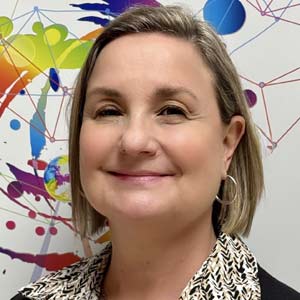
Dr. Brenda Quintanilla, Regional Manager
Shaping Leadership Through Experience
Several milestones have profoundly influenced my leadership style. My tenure as President of the Texas Digital Learning Association (TxDLA) helped me develop strategic planning and collaboration skills, managing a large membership organization and planning one of its highest-attended conferences. Joining TxDLA fostered collegial relationships that have endured for more than 20 years. At Houston ISD, I oversaw large-scale technology integration projects, such as deploying digital resources and hotspot distribution to students. As an Instructional Designer (ID) at San Jacinto College (SJC), I became proficient in online course design. This expertise now complements my leadership style when advising and collaborating on projects with ID components. As Regional Manager at Houston Community College (HCC), I apply these experiences to lead innovative instructional technology initiatives in our Faculty Labs, XRLabs, and Course Production Studios, spanning five campuses. Each role reinforced the importance of collaboration, adaptability, and aligning innovation with institutional goals.
Enhancing Curriculum Delivery and Engagement
I manage a Digital Storytelling initiative at HCC, enabling faculty and students to integrate personal narratives into their learning. My work with augmented reality apps in Crosby ISD piloted innovative learning tools that captured student interest and enriched the curriculum. Both projects emphasize student-centered design, leveraging technology to make learning dynamic and inclusive. As an ID, integrating components like the Universal Design for Learning (UDL) framework and following Quality Matters (QM) standards is crucial for creating a learning environment accessible to all learners. By leveraging innovative strategies and tools, ID ensures that curriculum delivery meets the needs of a diverse and dynamic student population. Aligning learning objectives and promoting active learning guarantees that the curriculum supports critical thinking and real-world learning, aligned with measurable goals.
Empowering Faculty with Technology Integration Training
At HCC, I designed and facilitated numerous professional development programs, including workshops on 3D printing, virtual reality, Digital Storytelling, and Artificial Intelligence. One recent standout initiative is the Course Production Studio Certification Program, which equips instructors with the skills to enhance online course quality through video remediation. These programs have enabled faculty to integrate technology meaningfully into their teaching, improving their confidence and instructional quality.
Driving Innovation through Tech Integration and Collaboration
Fostering innovation drives my efforts, including piloting cutting-edge technologies such as virtual reality, 3D printing, immersive learning, and AI tools. These technologies are accessible to students and faculty in our XRLabs at HCC. For instance, we collaborate on several faculty-led projects to build immersive learning experiences using 360-degree worlds like FrameVR. By facilitating workshops and promoting the use of innovative technology, I encourage creative expression. Additionally, my participation in system-wide events like the Faculty Symposium and Faculty Academy fosters a collaborative environment where best practices are shared, inspiring faculty to embrace innovative learning approaches.
"True leadership in instructional technology is about staying curious, adapting to change, and prioritizing solutions that meet real educational challenges while aligning with institutional goals"
Advancing eLearning Innovation and Accessibility
I have contributed significantly to eLearning through roles such as project manager for the Online Taskforce at Lee College, where we developed distance learning guidelines. At Houston ISD, I helped integrate digital resources into learning platforms, providing diverse students greater access. Redesigning my online courses at Sul Ross University is one example of my efforts in distance education, ensuring the content meets high-quality standards and caters to diverse learning needs.
Key Advice for Aspiring Leaders in Instructional Technology
Stay curious and adaptive. Prioritize solutions that address real educational challenges and align with institutional goals. Build a solid foundation by mastering key tools and methodologies, such as applying universal design principles and responsibly leveraging AI. Additionally, seek leadership opportunities in professional organizations like the Texas Digital Learning Association, as they provide a platform to influence the broader educational landscape, make connections, and stay ahead of emerging trends.
The articles from these contributors are based on their personal expertise and viewpoints, and do not necessarily reflect the opinions of their employers or affiliated organizations.
EDITOR'S Choice

Fortune Brands Innovations [NYSE: FBIN]
By Juan Guerrero, Director, IT Audit & Data Analytics
The IT Audit Evolution: From Compliance to Strategic Intelligence
Broad River Retail
Wes Dudley, Senior Vice President, Customer Experience
Customer Experience in the Age of Amplified Complexity
Fortune Brands Innovations [NYSE: FBIN]
Scott Barnes, Sr. Director of Enterprise Cyber Security (CISO)
The X-Factor in Cybersecurity: AI and Automation at Work

LHarris Technologies [NYSE: LHX]
Brian Allred, Director of Business Intelligence and Analytics
The Shift from Rigid Dashboards to Conversational Analytics
Ivar's Restaurants
Patrick Yearout, Director of Innovation, Recruitment & Training
From Hiring to Development: Nurturing Teams that CareLatest Issues


