-
Technology
-
Industry
-
Solutions
-
- ASSET MANAGEMENT
- CUSTOMER EXPERIENCE MANAGEMENT
- CYBER SECURITY
- DATA CENTER
- DOCUMENT MANAGEMENT
- ELECTRONIC DATA INTERCHANGE
- ENTERPRISE DATA MANAGEMENT
- ENTERPRISE RESOURCE PLANNING
- ENTERPRISE RISK MANAGEMENT
- ENTERPRISE-GRADE WEB DATA SOLUTIONS
- FACILITY MANAGEMENT
- FIELD SERVICE
- IDENTITY AND ACCESS MANAGEMENT
- INFRASTRUCTURE
- IT SERVICE MANAGEMENT
- MANAGED IT SERVICES
- PAYMENT AND CARD
- PROJECT MANAGEMENT
- SOFTWARE TESTING
- STORAGE
- VIDEO SOLUTIONS
- WORKFLOW
-
-
Platforms
-
Functions
- Leadership Perspectives
- Innovation Insights
- Research
- Magazines
- News
- CXO Awards









Contributory Virtus Investment Partners on the invitation from our Editorial

Samet
Manny Souza, Vice President of EH&SMitigating Risk With Technology Adoption
Manny Souza, Vice President of EH&S
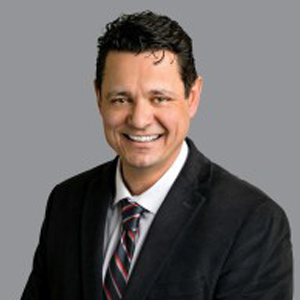
In an interview with CIOReview, Manny Souza, vice president of EH&S, Samet talks about the importance of effective risk mitigation, innovative technologies, and elevated safety performance in the construction industry.
Could you brief us on your experience in the construction space?
I have over 28 years of experience in the construction industry in the United States, with a focus on environmental health and safety (EH&S) for more than 20 years. Now it is nearly three years being associated with my current organization in the southern region. Prior to this, I had the privilege of working for a prominent international construction company for over 16 years, where I gained valuable expertise in both domestic and international markets.
My primary focus revolves around risk mitigation, safety, and performance in the construction industry, particularly emphasizing the significance of effective means and methods for operational success.
What are some of the challenges that are prevalent in the construction industry right now and how are you going about mitigating these challenges?
It is evident that the US construction sector still faces challenges in terms of risk mitigation, particularly concerning outdated means and methods that fall short not only in compliance but also in delivering optimal project outcomes.
Recognizing that success hinges on the implementation of efficient means and methods, we acknowledge their critical role in ensuring safety, quality, and overall project success. These factors serve as key drivers for mitigating risks and providing exceptional services to our valued customers and stakeholders, achieving excellence in our operations.
Are there any new methods or technology that has contributed to the risk mitigation strategies or safety performance strategies that you have?
One of the key highlights in the realm of risk mitigation is the adoption of innovative solutions across various market sectors within the construction industry. Exploring these innovative approaches, such as pre-construction and pre-assembly techniques and modularization of construction components, can yield significant benefits in terms of productivity and in enhancing safety measures, which holds greater importance than ever before.
Comparing the US construction market to more advanced and international counterparts, we observe the pervasive presence of technology. For example, when considering the crucial role of power cranes in construction projects, innovative technologies like hook cameras have been widely utilized in Europe and Australia for an extended period. Now, the US is increasingly embracing such technologies, incorporating fairly straightforward yet highly beneficial tools to optimize operations.
 One of the key highlights in the realm of risk mitigation is the adoption of innovative solutions across various market sectors within the construction industry
Fall protection and prevention remain paramount concerns in our industry. Throughout many US cities, there persists a reliance on basic means and methods for worker safety, primarily relying on personal fall arrest systems. This over-reliance poses significant risks and impacts the industry adversely.
However, there is a range of innovative solutions available, including improved products and proprietary engineered systems, offering enhanced fall prevention measures and better working platforms for tasks performed at heights. It is crucial to prioritize means and methods when selecting trade partners for construction projects, delving deeper into the sophistication of their practices. The impact directly correlates with the effectiveness of these practices.
Could you talk to me about the indicators or the metrics that you use to measure safety performance in construction and how do you track progress to identify areas of improvement?
In the present-day construction industry, our safety performance and management systems are primarily handled through construction management software, allowing us to effectively gather key metrics, both leading and lagging indicators. This comprehensive approach provides us with a roadmap to assess our progress. However, our focus extends beyond mere compliance with US standards. We continuously raise the bar, establishing higher benchmarks for our company's performance, thus driving ongoing improvement in achieving excellence.
By elevating the bottom line of what we consider acceptable, we witness a significant increase in overall performance and product quality. These advancements are meticulously monitored and managed through online platforms that enable us to capture essential performance indicators, including incident rates, near misses, and best practices. Emphasizing positive outcomes and sharing performance results fosters continuous improvement, as our industry tends to focus predominantly on tracking and measuring negative numbers.
The active involvement and understanding of risk mitigation strategies by senior leadership are pivotal to achieving success. While safety professionals possess a strong grasp of these metrics and performance indicators, it is imperative that senior leaders align themselves with the objective of delivering exceptional results to meet the heightened expectations of our discerning clients. Their engagement and support are instrumental in driving progress and ensuring the overall success of our risk mitigation efforts.
Do you have any advice for your peers in the industry?
Safety is vital for any business or product, offering a significant value proposition and delivering exceptional performance to stakeholders. Entrepreneurs must prioritize safety, considering its impact on their brand and customer value. Investing in safety improves the overall value of their services, making it a crucial business aspect.
The articles from these contributors are based on their personal expertise and viewpoints, and do not necessarily reflect the opinions of their employers or affiliated organizations.
EDITOR'S Choice

Fortune Brands Innovations [NYSE: FBIN]
By Juan Guerrero, Director, IT Audit & Data Analytics
The IT Audit Evolution: From Compliance to Strategic Intelligence
Broad River Retail
Wes Dudley, Senior Vice President, Customer Experience
Customer Experience in the Age of Amplified Complexity
Fortune Brands Innovations [NYSE: FBIN]
Scott Barnes, Sr. Director of Enterprise Cyber Security (CISO)
The X-Factor in Cybersecurity: AI and Automation at Work

LHarris Technologies [NYSE: LHX]
Brian Allred, Director of Business Intelligence and Analytics
The Shift from Rigid Dashboards to Conversational Analytics
Ivar's Restaurants
Patrick Yearout, Director of Innovation, Recruitment & Training
From Hiring to Development: Nurturing Teams that CareLatest Issues