-
Technology
-
Industry
-
Solutions
-
- ASSET MANAGEMENT
- CUSTOMER EXPERIENCE MANAGEMENT
- CYBER SECURITY
- DATA CENTER
- DOCUMENT MANAGEMENT
- ELECTRONIC DATA INTERCHANGE
- ENTERPRISE DATA MANAGEMENT
- ENTERPRISE RESOURCE PLANNING
- ENTERPRISE RISK MANAGEMENT
- ENTERPRISE-GRADE WEB DATA SOLUTIONS
- FACILITY MANAGEMENT
- FIELD SERVICE
- IDENTITY AND ACCESS MANAGEMENT
- INFRASTRUCTURE
- IT SERVICE MANAGEMENT
- MANAGED IT SERVICES
- PAYMENT AND CARD
- PROJECT MANAGEMENT
- SOFTWARE TESTING
- STORAGE
- VIDEO SOLUTIONS
- WORKFLOW
-
-
Platforms
-
Functions
- Leadership Perspectives
- Innovation Insights
- Research
- Magazines
- News
- CXO Awards


Contributory Virtus Investment Partners on the invitation from our Editorial

Laboratorios Sanfer
Ana Laura Cruz Cortés, LATAM Pharmacovigilance & Technovigilance ManagerNavigating The Future Ofdrug Safety: Insights Froman International Symposiumin Latin America
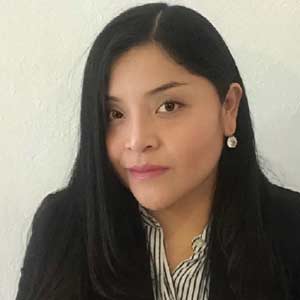
Ana Laura Cruz Cortés, LATAM Pharmacovigilance & Technovigilance Manager
Introduction
Pharmacovigilance, the science of monitoring and ensuring the safety of pharmaceutical products, plays a crucial role in safeguarding public health. From August 28 to August 30, 2023, the Committee of Latin American ISoP chapter coordinated the 6° Latin American Symposium on pharmacovigilance in Cartagena, Colombia, bringing together experts from various sectors, including hospitals, contract research organizations (CROs), insurance companies, pharmaceutical industry, pharmacovigilance service providers, some local regulatory authorities and National pharmacovigilance associations representing Mexico, Colombia, Peru, Argentina, Chile, to mention a few. The event shed light on the challenges and opportunities for advancing pharmacovigilance practices in Latin America. It became evident that there is much to learn from other countries and cultures where pharmacovigilance is approached with seriousness, ethics, and commitment, beyond mere regulatory compliance.
Key Opportunities for Improvement
The symposium emphasized key opportunities for improvement to elevate pharmacovigilance standards in Latin America to a level comparable with advanced countries.
1. Harmonized Legislation and Regulations
One of the central themes of the event was the need for changes in legislation and regulations. A harmonized and coherent legal framework, involving various stakeholders from the health sector in Latin American countries, is essential. Such a framework would enable collaboration, optimize resources, and standardize the analysis of safety information. Equally important, it should clearly define the consequences of non-compliance, emphasizing the importance of adherence to these laws and regulations for the well-being of the population.
2. Infrastructure for Notification
Efficient pharmacovigilance relies on robust infrastructure for notification. A centralized database and standardized electronic notification systems can streamline reporting to regulatory authorities. These systems should ensure timely and accurate notifications while adhering to data protection laws to safeguard patient identities. Moreover, they should facilitate the sharing of analyzed information among relevant stakeholders for informed decision-making. 3. Education and Training
 Fostering a culture of transparency and involvement in pharmacovigilance can significantly benefit public health
Addressing the shortage of qualified health professionals in pharmacovigilance is crucial. Regulatory Authorities should collaborate with universities to incorporate pharmacovigilance into the curricula of public and private healthcare education programs. Additionally, creating educational guides, materials, and specialized training programs can help ensure that professionals meet the necessary regulatory requirements.
4. Strengthening Pharmacovigilance Centers
Each country should bolster the creation and operation of pharmacovigilance centers staffed with qualified personnel. These centers should serve as hubs for data analysis and decision-making, fostering collaboration with various stakeholders and promoting harmonization of laws and regulations across Latin America.
5. Technological Tools
Implementing secure electronic systems for regulatory document submissions is vital for marketing authorization Holders (MAHs) to meet requirements while ensuring data access and consultation for experts. This information should serve as a reference for safe product use, encompassing prescribing information, patient instructions (including pictograms for illiterate patients or caregivers), and risk assessments.
6. Public Communication and Education
Regulatory Authorities should lead or support educational campaigns aimed at the general public. These campaigns should encourage the reporting of suspected adverse reactions and other safety issues related to drugs and medical devices. Fostering a culture of transparency and involvement in pharmacovigilance can significantly benefit public health.
7. Information Exchange
Promoting collaboration and information exchange between Latin American countries and international pharmacovigilance systems is essential. This exchange can help identify safety signals globally and lead to improvements in drug labeling. Hospitals and clinics should actively participate in these exchanges to ensure that regulatory authorities consider their needs when developing user-friendly medical product labeling.
Conclusion
The 6° Latin American Symposium for the International Society of Pharmacovigilance (ISoP) in Colombia highlighted the critical importance of advancing pharmacovigilance practices in Latin America from the point of view of the different sectors that are involved with medicines and medical devices. To achieve a level of pharmacovigilance on par with more advanced countries, stakeholders must work together to address the identified opportunities for improvement. Harmonized legislation, robust infrastructure, education and training, strengthened pharmacovigilance centers, technological tools, public communication, and international collaboration are all essential components of this journey. Ultimately, a commitment to pharmacovigilance as a fundamental public health.
The articles from these contributors are based on their personal expertise and viewpoints, and do not necessarily reflect the opinions of their employers or affiliated organizations.
EDITOR'S Choice

Fortune Brands Innovations [NYSE: FBIN]
By Juan Guerrero, Director, IT Audit & Data Analytics
The IT Audit Evolution: From Compliance to Strategic Intelligence
Broad River Retail
Wes Dudley, Senior Vice President, Customer Experience
Customer Experience in the Age of Amplified Complexity
Fortune Brands Innovations [NYSE: FBIN]
Scott Barnes, Sr. Director of Enterprise Cyber Security (CISO)
The X-Factor in Cybersecurity: AI and Automation at Work

LHarris Technologies [NYSE: LHX]
Brian Allred, Director of Business Intelligence and Analytics
The Shift from Rigid Dashboards to Conversational Analytics
Ivar's Restaurants
Patrick Yearout, Director of Innovation, Recruitment & Training
From Hiring to Development: Nurturing Teams that CareLatest Issues