-
Technology
-
Industry
-
Solutions
-
- ASSET MANAGEMENT
- CUSTOMER EXPERIENCE MANAGEMENT
- CYBER SECURITY
- DATA CENTER
- DOCUMENT MANAGEMENT
- ELECTRONIC DATA INTERCHANGE
- ENTERPRISE DATA MANAGEMENT
- ENTERPRISE RESOURCE PLANNING
- ENTERPRISE RISK MANAGEMENT
- ENTERPRISE-GRADE WEB DATA SOLUTIONS
- FACILITY MANAGEMENT
- FIELD SERVICE
- IDENTITY AND ACCESS MANAGEMENT
- INFRASTRUCTURE
- IT SERVICE MANAGEMENT
- MANAGED IT SERVICES
- PAYMENT AND CARD
- PROJECT MANAGEMENT
- SOFTWARE TESTING
- STORAGE
- VIDEO SOLUTIONS
- WORKFLOW
-
-
Platforms
-
Functions
- Leadership Perspectives
- Innovation Insights
- Research
- Magazines
- News
- CXO Awards


Contributory Virtus Investment Partners on the invitation from our Editorial

Belmont Beverage
Ashley Crane, IT DirectorProgressive IT Leadership: Building Technology That Works for the Business
Ashley Crane, IT Director
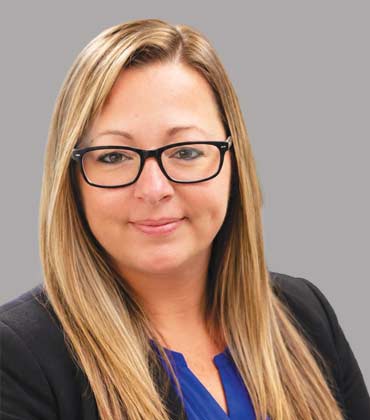
Ashley Crane
Making Technology Work Across the Business
One of the biggest things I’ve learned is that technology has to work for the business, not the other way around. In a multilocation retail environment, technology can’t just work well at the corporate office. It has to work consistently for employees across every location, many of whom are focused on serving customers and running the day-to-day business.
My leadership style is centered around communication, collaboration and building trust. I want my team to understand not only what we are doing, but why we are doing it and how it impacts the rest of the organization. I also believe strongly in giving people opportunities to learn, take ownership and grow. Technology is always going to change, so having a team that is willing to learn and adapt is incredibly important.
Modernizing Without Creating Unnecessary Risk
For us, some of the biggest improvements have come from taking a closer look at older systems and processes and asking whether there is a better way to do things. Modernizing infrastructure, improving cybersecurity, expanding remote support capabilities and giving the business better access to data have all made a difference.
I think one of the biggest opportunities in retail is connecting systems and information that have traditionally operated separately. When you can reduce manual processes and make information easier to access, you give employees more time to focus on the things that actually add value to the business and the customer.
The goal isn’t to bring in new technology simply because it is new. It should solve a problem, improve a process or give us capabilities we didn’t have before.
Turning Data and AI Into Business Value
This is probably one of the biggest challenges for any IT leader. I enjoy looking at new technology and finding better ways to do things, but in retail, reliability is critical. If a system goes down, the impact can be immediate.
Because of that, we try to look at the entire picture before making a change. How secure is it? How will employees use it? What happens if it fails? How will we support it? And, most importantly, does the benefit justify the risk and effort involved?
 Technology has to work for the business, not the other way around.
I also don’t view cybersecurity as something separate from the rest of IT. Security, backups, recovery, employee awareness and business continuity all have to be part of the conversation when we introduce new technology. The goal is to keep moving forward without creating unnecessary risk for the organization.
Building IT Through Collaboration
Artificial intelligence is obviously going to have a major impact, but I think we are still figuring out exactly what that will look like. What interests me most is how AI can help people work more efficiently, analyze information faster, automate repetitive tasks and make better decisions.
I also think automation, cloud-based platforms and better integration between systems will continue to change retail. Businesses have access to more data than ever before, but simply having data isn’t enough. The real value comes from turning that information into something useful.
That also changes the role of IT leadership. We aren’t just responsible for keeping systems running anymore. We increasingly have to understand the business, understand the data and help the organization figure out where technology can create real value.
Moving the Organization Forward
Spend time learning the business outside of IT. Some of the best ideas and improvements come from conversations with the people actually using the technology every day.
I think IT departments sometimes fall into the trap of becoming their own island. I’ve always felt that IT should be a resource for the entire organization. Building relationships with other departments helps you understand their challenges and it also creates trust when it is time to make a major change.
Modernization also doesn’t happen all at once. There will always be another system to replace, another process to improve or another technology to evaluate. The important thing is to keep moving forward and make decisions that put the organization in a better position for the future.
For me, that is what progressive IT leadership really comes down to. It isn’t about chasing every new technology. It is about understanding where the business is today, where it wants to go and helping people use technology to get there.
The articles from these contributors are based on their personal expertise and viewpoints, and do not necessarily reflect the opinions of their employers or affiliated organizations.
EDITOR'S Choice

Fortune Brands Innovations [NYSE: FBIN]
By Juan Guerrero, Director, IT Audit & Data Analytics
The IT Audit Evolution: From Compliance to Strategic Intelligence
Broad River Retail
Wes Dudley, Senior Vice President, Customer Experience
Customer Experience in the Age of Amplified Complexity
Fortune Brands Innovations [NYSE: FBIN]
Scott Barnes, Sr. Director of Enterprise Cyber Security (CISO)
The X-Factor in Cybersecurity: AI and Automation at Work

LHarris Technologies [NYSE: LHX]
Brian Allred, Director of Business Intelligence and Analytics
The Shift from Rigid Dashboards to Conversational Analytics
Ivar's Restaurants
Patrick Yearout, Director of Innovation, Recruitment & Training
From Hiring to Development: Nurturing Teams that CareLatest Issues


