-
Technology
-
Industry
-
Solutions
-
- ASSET MANAGEMENT
- CUSTOMER EXPERIENCE MANAGEMENT
- CYBER SECURITY
- DATA CENTER
- DOCUMENT MANAGEMENT
- ELECTRONIC DATA INTERCHANGE
- ENTERPRISE DATA MANAGEMENT
- ENTERPRISE RESOURCE PLANNING
- ENTERPRISE RISK MANAGEMENT
- ENTERPRISE-GRADE WEB DATA SOLUTIONS
- FACILITY MANAGEMENT
- FIELD SERVICE
- IDENTITY AND ACCESS MANAGEMENT
- INFRASTRUCTURE
- IT SERVICE MANAGEMENT
- MANAGED IT SERVICES
- PAYMENT AND CARD
- PROJECT MANAGEMENT
- SOFTWARE TESTING
- STORAGE
- VIDEO SOLUTIONS
- WORKFLOW
-
-
Platforms
-
Functions
- Leadership Perspectives
- Innovation Insights
- Research
- Magazines
- News
- CXO Awards


Contributory Virtus Investment Partners on the invitation from our Editorial

Boali
Victor Giansante, Director of International Development, DevelopmentRedefining Fast Food, the Healthy Way
Victor Giansante, Director of International Development, Development
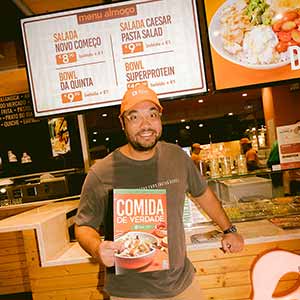
Victor Giansante is the Founding Board Member of Boali, a major healthy food and restaurant franchise in Brazil. He has held leadership roles driving international expansion, franchise growth, and brand leadership, focusing on making nutritious food accessible in Brazil and abroad through innovative business models.
For the magazine CIOReview, he shared invaluable insights on building innovation through mistakes, leading with transparency, empowering teams, and scaling healthy food concepts by balancing global vision with local authenticity.
1. Can you share your career journey and the key experiences that influenced your philosophy and led you to your role at Boali?
I always knew I wanted to be an entrepreneur, and food became my passion as a way to improve people’s lives. I wanted to create food with great taste, something you could enjoy on a Sunday night without regret on Monday morning. At 21, I brought Salad Creations to Brazil. The most formative period came from building the franchise from scratch, running operations daily, washing dishes, and learning every detail without much support from the American franchisor. This baptism by fire showed me that innovation requires mistakes and quick learning. Adapting the concept to Brazilian tastes taught me how to balance local customization with core values, and caring for store workers became a foundation of my philosophy.
In 2015, I co-founded BOALI, evolving from franchise operator to brand creator with a mission to democratize healthy eating. Leading the transition from Salad Creations to BOALI required negotiating with franchisees and landlords, which built mutual trust and commitment. During COVID, we proved our long-term loyalty by waiving royalties and fees, which not only kept stores open but allowed us to grow. Today, as Chief of New Business and Director of International Development, my leadership is guided by hands-on operational experience, resilience through adversity, and the belief that consistency and adaptability drive sustainable expansion across Brazil and into markets such as the US, Portugal, and the Middle East.
2. You started the Salad Creations Master Franchise in Brazil in your 20s. What lessons from that early entrepreneurial experience still guide your leadership decisions today?
Starting at 21 was both challenging and transformative. I spent a year in our first store, from receiving products to washing dishes, which taught me that authentic leadership means understanding every role and never asking someone to do what you would not. Three principles from that time guide me today.
 Healthy eating is universal, but sustainable growth comes from humility, cultural respect, and adapting operations while staying true to core values and mission
First, respect for cultural adaptation. We could not simply copy the American model; we had to listen to Brazilian customers and adjust while preserving quality. This taught me that expansion means integrating with local cultures while staying true to your mission. Second, your team is everything. Supporting the people who run your business is non-negotiable, and this guided our COVID decision to waive fees. Third, innovation comes from humility and necessity. Mistakes became learning opportunities, and I still approach new markets like the US or Portugal with humility, ready to listen and adapt while staying focused on our mission of healthy eating for all.
3. In an industry where competition can be fierce, how do you balance transparency with strategic business decisions?
Transparency is the foundation of BOALI. It does not mean revealing every tactical detail, but it does mean being honest about values, challenges, and commitments. During our transition to BOALI, I negotiated openly about our vision, financial situation, and expectations. This honesty created the trust that enabled a smooth rebrand with all partners on board.
COVID tested this philosophy. Instead of making decisions behind closed doors, we were open about the challenges we faced and chose to waive royalties and fees, reinforcing our long-term commitment to franchisees. In international expansion, we apply the same principle by sharing both our successes and our mistakes. Competitors may copy products or designs, but the trust built through consistent transparency is something they cannot replicate.
4. In your role as Director of International Development, what cultural and operational insights have you gained about scaling healthy food concepts across different markets?
Healthy eating is universal, but how people experience it is cultural. In the US, the grab-and-go lifestyle meant redesigning store layouts and packaging while keeping freshness and quality. Portugal emphasized sourcing and partnerships, where high standards required building entirely new supplier relationships. In the Middle East, success depended on respecting dietary preferences, religious practices, and social customs, yet our Brazilian approach was well received.
The biggest insight is that local teams and partners are your best teachers. Each market requires humility, cultural respect, and operational flexibility. Entering a new country is less about replicating what worked at home and more about listening and adapting while staying true to core values. Sustainable international growth comes from balancing global standards with local authenticity.
5. As someone passionate about food with extensive franchise experience, how do you see the healthy fast food segment evolving in Latin America over the next 5-10 years?
I am optimistic about the segment in Latin America, though it is still in the early stages. When I introduced Salad Creations in 2007, healthy fast food barely existed. Today, a generational shift is driving growth. Consumers in their 20s and 30s value health, transparency, and convenience, and are willing to pay for quality.
Three trends will shape the future. Technology integration will be essential not only for ordering and delivery, but also for supply chain transparency and nutritional customization. Local sourcing will grow as customers demand traceability and want to support local economies. Finally, the definition of healthy will expand to include functional nutrition and lifestyle-oriented choices."
Latin America’s biodiversity and food traditions give us the chance to create unique, authentic concepts that the world will embrace. We are not just importing trends from other regions but developing ideas rooted in our culture that can inspire global audiences.
6. Based on your journey from franchise investor to international development leader, what advice would you give to young professionals entering the food and beverage industry?
First, get hands-on experience. Many want to jump straight to strategy, but there is no substitute for working in operations. Direct experience with deliveries, customers, and daily challenges makes you a better decision-maker. Second, embrace learning with humility. When we launched Salad Creations, we often did not know the answers, but curiosity and persistence carried us forward.
Third, remember the industry is about people. Every decision affects teams, customers, suppliers, and partners. Finally, find a purpose beyond profit. For me, it is the mission to provide food that people crave and feel good about. When you have a strong why, it sustains you through challenges and helps you make decisions aligned with your values. Passion, resilience, and the desire to serve others are what make a lasting career in food and beverage.
The articles from these contributors are based on their personal expertise and viewpoints, and do not necessarily reflect the opinions of their employers or affiliated organizations.
EDITOR'S Choice

Fortune Brands Innovations [NYSE: FBIN]
By Juan Guerrero, Director, IT Audit & Data Analytics
The IT Audit Evolution: From Compliance to Strategic Intelligence
Broad River Retail
Wes Dudley, Senior Vice President, Customer Experience
Customer Experience in the Age of Amplified Complexity
Fortune Brands Innovations [NYSE: FBIN]
Scott Barnes, Sr. Director of Enterprise Cyber Security (CISO)
The X-Factor in Cybersecurity: AI and Automation at Work

LHarris Technologies [NYSE: LHX]
Brian Allred, Director of Business Intelligence and Analytics
The Shift from Rigid Dashboards to Conversational Analytics
Ivar's Restaurants
Patrick Yearout, Director of Innovation, Recruitment & Training
From Hiring to Development: Nurturing Teams that CareLatest Issues