-
Technology
-
Industry
-
Solutions
-
- ASSET MANAGEMENT
- CUSTOMER EXPERIENCE MANAGEMENT
- CYBER SECURITY
- DATA CENTER
- DOCUMENT MANAGEMENT
- ELECTRONIC DATA INTERCHANGE
- ENTERPRISE DATA MANAGEMENT
- ENTERPRISE RESOURCE PLANNING
- ENTERPRISE RISK MANAGEMENT
- ENTERPRISE-GRADE WEB DATA SOLUTIONS
- FACILITY MANAGEMENT
- FIELD SERVICE
- IDENTITY AND ACCESS MANAGEMENT
- INFRASTRUCTURE
- IT SERVICE MANAGEMENT
- MANAGED IT SERVICES
- PAYMENT AND CARD
- PROJECT MANAGEMENT
- SOFTWARE TESTING
- STORAGE
- VIDEO SOLUTIONS
- WORKFLOW
-
-
Platforms
-
Functions
- Leadership Perspectives
- Innovation Insights
- Research
- Magazines
- News
- CXO Awards


Contributory Virtus Investment Partners on the invitation from our Editorial

Manutara Ventures
Pablo Traub, PartnerTransitioning From Technological Disruption to a Change of Mindset
Pablo Traub, Partner
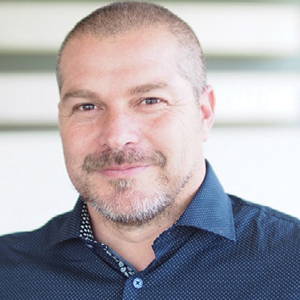
Latam has made the headlines and captured the attention of investors and the world of global Venture Capital, as it emerges as a new emerging market that quickly becomes a success story and takes advantage of the opportunities presented by an era of accelerated digital disruption.
Startups have been able to identify great opportunities, as well as investors by believing in and supporting the growth of daring entrepreneurs that in a short time have led to the creation of a growing group of “unicorns”, which was not very common in the region.
The opportunities are still there, but the challenge is to make this phenomenon more sustainable and go towards a greater maturity of the ecosystem. In order to accomplish this goal, it is necessary to change the entrepreneurial mindset towards a global entrepreneurial mindset, where entrepreneurs can become protagonists, lead the new technological trends and build a better future.
 Building meaningful relations take time and plausible content
We are already beginning to see some signs of this change of mindset or culture. For example, every day we see a greater presence of international funds in the region, larger rounds and higher valuations, but curiously one of the most encouraging signs is the sophistication of new ventures from the region. Cases can be highlighted in biotech, healthtech, foodtech, cybersecurity, and even quantum computing. Just to quote a few examples there are startups like NotCo that are highly sophisticated and have already reached top tier status competing at global level. Another case to highlight can be vest brain they are building an amazing technology to address one of the most urgent problems that need to be solved soon; mental health and mood disorders, also Protera doing a great job as well in the sustainable protein and ingredients market, Goquantum developing the quantum proof cybersecurity products that will protect us in the future from quantum threats., or Camel Secure developing a world class suite of cybersecurity products and services that can serve a small, medium or large enterprise that is part of the new digital economy.
As the present is still under disruption, new challenges have arisen. Up to certain extent some of them are not new to the region. Political and social challenges are not new in LatAm and entrepreneurs which are the real problem solvers have been able to succeed delivering value and solving real problems under challenging conditions. Now they are also becoming aware of future challenges, of their own talent and capabilities to move from the old activist paradigm to a problem solver new paradigm where they can also anticipate the future, tackle and solve problems at a global scale. The next generation of entrepreneurs can lead a wave of new solutions for global problems that need urgent attention and problem solving skills that neither politics nor activist have proven to have at disposal.
Another promising sing of a future where we can really unleash the potential of LatAm entrepreneurs is that this mindset has allowed them to become members of a global community. Building meaningful relations take time and plausible content. Luckily enough other players in the industry have acknowledged this need and VC firms like Manutara Ventures lead by Cristian Olea in the U.S.A have opened offices and leveraged their long time relations with other ecosystems in the region to connect LatAm with the US ecosystem; also Venturehive lead by Susan Amat has done an amazing job connecting global ecosystems and entrepreneurs, marvelous job as well what Draper Venture Network has done at a global scale being as always visionaries in the industry.
The present is very attractive, but the future looks even better and more promising.
The articles from these contributors are based on their personal expertise and viewpoints, and do not necessarily reflect the opinions of their employers or affiliated organizations.
EDITOR'S Choice

Fortune Brands Innovations [NYSE: FBIN]
By Juan Guerrero, Director, IT Audit & Data Analytics
The IT Audit Evolution: From Compliance to Strategic Intelligence
Broad River Retail
Wes Dudley, Senior Vice President, Customer Experience
Customer Experience in the Age of Amplified Complexity
Fortune Brands Innovations [NYSE: FBIN]
Scott Barnes, Sr. Director of Enterprise Cyber Security (CISO)
The X-Factor in Cybersecurity: AI and Automation at Work

LHarris Technologies [NYSE: LHX]
Brian Allred, Director of Business Intelligence and Analytics
The Shift from Rigid Dashboards to Conversational Analytics
Ivar's Restaurants
Patrick Yearout, Director of Innovation, Recruitment & Training
From Hiring to Development: Nurturing Teams that CareLatest Issues