-
Technology
-
Industry
-
Solutions
-
- ASSET MANAGEMENT
- CUSTOMER EXPERIENCE MANAGEMENT
- CYBER SECURITY
- DATA CENTER
- DOCUMENT MANAGEMENT
- ELECTRONIC DATA INTERCHANGE
- ENTERPRISE DATA MANAGEMENT
- ENTERPRISE RESOURCE PLANNING
- ENTERPRISE RISK MANAGEMENT
- ENTERPRISE-GRADE WEB DATA SOLUTIONS
- FACILITY MANAGEMENT
- FIELD SERVICE
- IDENTITY AND ACCESS MANAGEMENT
- INFRASTRUCTURE
- IT SERVICE MANAGEMENT
- MANAGED IT SERVICES
- PAYMENT AND CARD
- PROJECT MANAGEMENT
- SOFTWARE TESTING
- STORAGE
- VIDEO SOLUTIONS
- WORKFLOW
-
-
Platforms
-
Functions
- Leadership Perspectives
- Innovation Insights
- Research
- Magazines
- News
- CXO Awards











Contributory Virtus Investment Partners on the invitation from our Editorial

IEEE SA
Maria Palombini, Global Director of Healthcare and Life SciencesBuilding Trust in Healthcare Technology through Standards and Accountability
Maria Palombini, Global Director of Healthcare and Life Sciences
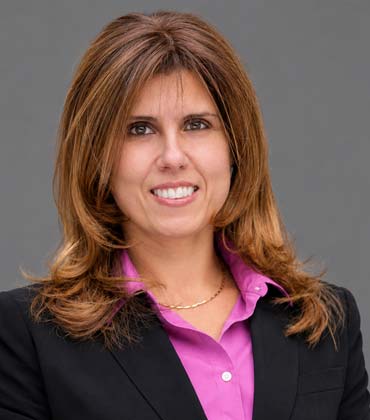
Maria Palombini
Addressing the Challenges of Safe and Reliable Healthcare AI
There is still a long way to go before healthcare organizations can confidently deploy AI without concerns about its reliability and safety. As the technology continues to develop, setbacks, innovation pressures and questions about trust are natural growing pains. However, unlike previous technology advancements, like the internet, the AI conversation has more quickly recognized the importance of ethical considerations and responsible guardrails.
The challenges are not always algorithmic. Often, they stem from the quality of training data, limited data access and longstanding biases within healthcare systems, where certain patient populations remain underrepresented.
Ultimately, one of the biggest challenges is human responsibility. Whether developing or using AI, individuals must understand the technical and ethical safeguards in place, including those established by global technical and medical standards organizations. Due diligence should not rest solely with technical teams; every user has a responsibility to evaluate the benefits and risks.
Healthcare organizations can approach AI adoption much like purchasing a technologically advanced vehicle: research its safety record, implementation and validation before making a decision. More importantly, this evaluation must continue throughout its use to maintain confidence in the technology.
Building Confidence through Global Technical Standards
Accredited global technical standards are developed by neutral organizations that bring together engineers, manufacturers, clinical teams, regulators, researchers, patients and other stakeholders. These participants contribute their expertise toward solutions that support broader technology adoption. Both technology developers and the people affected by their solutions have a voice in the process.
Standards undergo rigorous checks and balances, from participant consensus to governance board reviews. These processes examine whether a standard addresses challenges like interoperability and cybersecurity, whether organizations across the industry can adopt it, and whether it has been developed neutrally. This credibility helps healthcare organizations make more confident technology decisions.
Healthcare organizations should keep four key considerations in mind when evaluating standards and technology vendors.
First, they should understand the difference between standards. The term standard is often used interchangeably with best practices, but market standards and accredited standards are different. Market standards are generally not consensus-driven or developed through neutral processes. Accredited standards, created by global standards development organizations (SDOs), involve volunteer experts reaching consensus on technical requirements that organizations within the relevant domain can adopt.
 Due diligence should not rest solely with technical teams; every user has a responsibility to evaluate the benefits and risks.

Second, healthcare organizations should ask vendors to identify the accredited technical standards their technology follows. This information should be available in the vendor's technical documentation.
Third, technical standards should not be viewed as the responsibility of IT teams alone. Cybersecurity, human factors design and accessibility directly affect patient care. Clinical professionals should understand these areas well enough to ask informed questions about the devices and software they use.
Finally, organizations should request evidence of implementation. They should seek certificates of assessment confirming that relevant standards have been effectively implemented. Such assessments may also help verify compliance with applicable regulatory requirements, including privacy requirements like HIPAA.
Making Medical Device Cybersecurity a Patient Safety Priority
Medical device cybersecurity is fundamentally a patient safety issue, not merely an IT concern. It should be integrated into the standard patient safety protocols and practices of every healthcare facility.
Cyberattacks can have serious consequences for patient care. A 2023 study involving more than 600 IT professionals across 100 healthcare organizations found that 88 percent had experienced cyberattacks that year. Among affected organizations, approximately 20 to 30 percent reported increased fatalities, while IT professionals reported a 28 percent increase in mortality rates associated with ransomware.
Attackers may compromise medical devices to gain access to broader healthcare systems and valuable patient data. A breach can disrupt hospital operations, affect physician practices and interrupt care for hundreds or thousands of patients. Therefore, the consequences extend well beyond an individual device.
Healthcare organizations should not rely solely on a device's original regulatory approval as evidence of current cybersecurity protection. Regulatory guidance evolves, but previously approved devices are not necessarily required to undergo another review whenever guidance changes. Organizations must consider when a device was approved and whether its security measures reflect current threats.
For example, the U.S. Food and Drug Administration (FDA) issued updated guidance, Cybersecurity in Medical Devices: Quality Management System Considerations and Content of Premarket Submissions, on February 3, 2026, superseding its June 27, 2025 guidance. This illustrates how quickly requirements can evolve. Healthcare organizations should therefore ask manufacturers to demonstrate that medical devices maintain current cybersecurity standards and protocols to reduce vulnerabilities and protect patients.
Balancing Healthcare Innovation with Patient Protection
Healthcare exists to save lives and improve quality of life. Privacy, security and accountability should not be treated as competing priorities against innovation. They are foundational requirements of responsible innovation and directly influence patient safety and well-being.
In the race to discover treatments, improve early diagnosis and develop new therapies, organizations can sometimes lose sight of the people the technology is intended to serve. The focus may shift toward addressing a disease while overlooking the patient behind it.
Healthcare leaders must prioritize both technological advancement and the protection of individual rights. Privacy, security and transparency should be integrated into solutions from the beginning, alongside their intended clinical objectives. Neither patient protection nor innovation should have to be sacrificed for the other.
Advice for Emerging Healthcare Professionals
For professionals seeking to drive long-term innovation in Healthcare, an important starting point is identifying where standards can remove barriers to progress.
Innovation is not the technology itself. Technology enables people to approach, understand and solve problems differently. However, its full potential cannot be realized when longstanding challenges and limitations remain unresolved.
Consider the possibility of a global technical standard for data interoperability that eliminates uncertainty about whether information from a medical device can connect seamlessly with a patient's health record. Such an approach would benefit technology developers, patients and healthcare organizations alike.
By removing these barriers, professionals can redirect financial resources and expertise toward realizing technology's full potential and addressing critical healthcare challenges. This is how standards can enable meaningful, long-term innovation in therapeutic care.
The articles from these contributors are based on their personal expertise and viewpoints, and do not necessarily reflect the opinions of their employers or affiliated organizations.
EDITOR'S Choice

Fortune Brands Innovations [NYSE: FBIN]
By Juan Guerrero, Director, IT Audit & Data Analytics
The IT Audit Evolution: From Compliance to Strategic Intelligence
Broad River Retail
Wes Dudley, Senior Vice President, Customer Experience
Customer Experience in the Age of Amplified Complexity
Fortune Brands Innovations [NYSE: FBIN]
Scott Barnes, Sr. Director of Enterprise Cyber Security (CISO)
The X-Factor in Cybersecurity: AI and Automation at Work

LHarris Technologies [NYSE: LHX]
Brian Allred, Director of Business Intelligence and Analytics
The Shift from Rigid Dashboards to Conversational Analytics
Ivar's Restaurants
Patrick Yearout, Director of Innovation, Recruitment & Training
From Hiring to Development: Nurturing Teams that Care