-
Technology
-
Industry
-
Solutions
-
- ASSET MANAGEMENT
- CUSTOMER EXPERIENCE MANAGEMENT
- CYBER SECURITY
- DATA CENTER
- DOCUMENT MANAGEMENT
- ELECTRONIC DATA INTERCHANGE
- ENTERPRISE DATA MANAGEMENT
- ENTERPRISE RESOURCE PLANNING
- ENTERPRISE RISK MANAGEMENT
- ENTERPRISE-GRADE WEB DATA SOLUTIONS
- FACILITY MANAGEMENT
- FIELD SERVICE
- IDENTITY AND ACCESS MANAGEMENT
- INFRASTRUCTURE
- IT SERVICE MANAGEMENT
- MANAGED IT SERVICES
- PAYMENT AND CARD
- PROJECT MANAGEMENT
- SOFTWARE TESTING
- STORAGE
- VIDEO SOLUTIONS
- WORKFLOW
-
-
Platforms
-
Functions
- Leadership Perspectives
- Innovation Insights
- Research
- Magazines
- News
- CXO Awards











Contributory Virtus Investment Partners on the invitation from our Editorial

University Hospitals
James Cireddu, MD FACC System Director of Nuclear Cardiology and Stress Testing, Harrington Heart & Vascular InstituteImproving Cardiovascular Care Through System-Wide Leadership and Digital Innovation
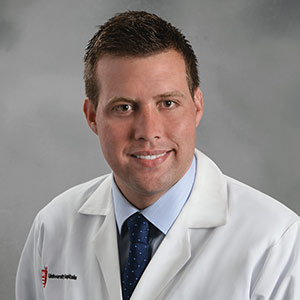
James Cireddu, MD FACC System Director of Nuclear Cardiology and Stress Testing, Harrington Heart & Vascular Institute
Leading with a System-wide Perspective
Early in my career, I saw how outcomes are shaped not only by clinical decisions but also by system design. Research on cognitive dysfunction in cardiac ICU patients reinforced the need to look beyond immediate diagnoses and address the full patient journey. That perspective drives my leadership today, whether scaling VPExam, a virtual exam platform that reduced heart failure readmissions by over 40%, or leading a multi-million dollar system-wide nuclear cardiology and cardiac stress division. My style emphasizes evidence, collaboration, and scalability so innovations benefit patients across all 21 hospitals in our network, more than 50 health centers and outpatient facilities, and over 200 physician offices in 16 counties.
Digital Innovations Reshaping Cardiovascular Care
Digital health has become a force multiplier. With VPExam, clinicians can perform high-quality virtual assessments using augmented reality and Bluetooth stethoscopes. This enabled more accessible, patient-centered heart failure management, particularly in skilled nursing and home care. In nuclear cardiology, we are now integrating AI into hybrid SPECT/CT, overlaying calcium burden and epicardial adipose with perfusion maps. This not only improves diagnostic accuracy but also empowers physicians to share more visual, personalized data with patients, strengthening trust and adherence. By combining calcium-omics and fat-omics data with perfusion imaging, we can stratify risk more precisely, delivering preventive care sooner to high-risk patients while sparing lower-risk patients from unnecessary procedures.
At the same time, we focus on “the right test for the right patient.” Through the creation of a Multimodality Imaging Quality Committee, we unite leaders across echocardiography, nuclear imaging, CT, MRI, and cardiac catheterization to optimize sensitivity and specificity while working to furhter refine protocols and adopt cutting edge technology. We’ve built joint cardiology-radiology dashboards to track access, referral patterns, quality and financial impact, while expanding training to ensure community hospitals benefit from academic-level expertise.
Addressing Challenges in Cardiovascular Diagnostics while Ensuring Patient Care
Directing multiple diagnostic labs requires balancing quality, efficiency, and innovation. We have established system-wide nuclear cardiology and imaging quality committees to standardize compliance with ACC, ASE, and ASNC guidelines across all sites. I emphasize transparency, using fellow-led QI projects, interdisciplinary case reviews and regular audits to create both accountability and shared learning. Focusing on optimizing automating report generation within PACS and Epic has reduced variability, improved efficiency and freed physicians to focus on more nuanced interpretation. We strive to develop a culture where innovation enhances, rather than competes with, quality.
Some of the major challenges we face are variability in imaging quality, integration between platforms and balancing innovation with high clinical demand. We address these by embedding automation into reporting, offering remote reading options to distribute expertise and aligning teams across sites through interdisciplinary committees. By integrating structure into workflows, we ensure innovation never distracts from patient care but instead reinforces it.
The Future of Cardiovascular Care
Looking ahead, several innovations are expected to fundamentally change how we deliver cardiovascular care. An AI-driven hybrid SPECT/CT that integrates calcium burden, fatomics, and perfusion data promises to reduce false negatives and sharpen prognostication. Virtual CTA derived from calcium scoring scans, offers low-cost, non-contrast risk stratification at scale. Tele-cardiology platforms such as VPExam have already proven to reduce readmissions and expand access by bringing specialty care to underserved populations. These innovations will democratize advanced diagnostics, reduce costs, and enable earlier, more precise interventions.
Equally important is to prepare the next generation of cardiologists to uphold high standards while embracing digital tools. At University Hospitals of Cleveland Harrington Heart and Vascular Institute, we have developed a structured fellowship pathway that enables trainees to engage early in nuclear imaging quality improvement projects as they learn about imaging software hands-on. I want to stress dual competency by combining clinical excellence with digital fluency. By involving fellows in cutting-edge projects, they learn to honor established standards while shaping the future of cardiology. Most importantly, I mentor by example demonstrating how rigorous dedication to the scientific process, innovation, and patient-first leadership can coexist to advance the field.
The articles from these contributors are based on their personal expertise and viewpoints, and do not necessarily reflect the opinions of their employers or affiliated organizations.
EDITOR'S Choice

Fortune Brands Innovations [NYSE: FBIN]
By Juan Guerrero, Director, IT Audit & Data Analytics
The IT Audit Evolution: From Compliance to Strategic Intelligence
Broad River Retail
Wes Dudley, Senior Vice President, Customer Experience
Customer Experience in the Age of Amplified Complexity
Fortune Brands Innovations [NYSE: FBIN]
Scott Barnes, Sr. Director of Enterprise Cyber Security (CISO)
The X-Factor in Cybersecurity: AI and Automation at Work

LHarris Technologies [NYSE: LHX]
Brian Allred, Director of Business Intelligence and Analytics
The Shift from Rigid Dashboards to Conversational Analytics
Ivar's Restaurants
Patrick Yearout, Director of Innovation, Recruitment & Training
From Hiring to Development: Nurturing Teams that Care