-
Technology
-
Industry
-
Solutions
-
- ASSET MANAGEMENT
- CUSTOMER EXPERIENCE MANAGEMENT
- CYBER SECURITY
- DATA CENTER
- DOCUMENT MANAGEMENT
- ELECTRONIC DATA INTERCHANGE
- ENTERPRISE DATA MANAGEMENT
- ENTERPRISE RESOURCE PLANNING
- ENTERPRISE RISK MANAGEMENT
- ENTERPRISE-GRADE WEB DATA SOLUTIONS
- FACILITY MANAGEMENT
- FIELD SERVICE
- IDENTITY AND ACCESS MANAGEMENT
- INFRASTRUCTURE
- IT SERVICE MANAGEMENT
- MANAGED IT SERVICES
- PAYMENT AND CARD
- PROJECT MANAGEMENT
- SOFTWARE TESTING
- STORAGE
- VIDEO SOLUTIONS
- WORKFLOW
-
-
Platforms
-
Functions
- Leadership Perspectives
- Innovation Insights
- Research
- Magazines
- News
- CXO Awards







Contributory Virtus Investment Partners on the invitation from our Editorial

Corewell Health
Imana “Mo” Minard, Director of NursingLeading with Empathy and Purpose in Healthcare Leadership
Imana “Mo” Minard, Director of Nursing
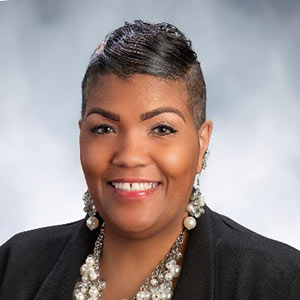
From Frontline Care to Senior Leadership
When you have always kept the patients at the center of why we are in healthcare, you can never forget to see care through their lens. Additionally, if you or a loved one has been a patient, it is essential to think empathetically from the viewpoint of our patients throughout the process. I often remind myself that I, too, am patient, and I hope that those making decisions that may impact my own care delivery keep my outcomes at the forefront. Were there particular moments or mentors along the way that significantly influenced your professional path? I consider myself thrice blessed, as my mentors have been my angels throughout my career trajectory. I have had a variety of leadership mentors in the community and acute care settings. Each of them taught me valuable lessons I carry with me today. I have had the pleasure of passing these lessons forward to my own team. There are two messages that I repeat daily. “Be curious, not judgmental” and “Do not be afraid to give people who you really are”. I have made these two personal daily reminders and placed them on my calendar as they are events I can’t miss.
Leadership Philosophies that Guide Decision-Making
This response has not changed for me over the years. I am a servant leader; however, there are times when I must adapt my leadership style to the specific situation. I call this the “contingent leadership approach”. My heart is in service, and I don’t take my role for granted. With leadership being a calling, I am grateful to have been in this space for as long as I have. I will not say that every day has been easy, as I have surely faced challenges and growing pains along the way. One strategy I have been using for years to help me through those times is the power of positive thinking. I am constantly on the lookout for the good in all things.
 There are two messages that I repeat daily. “Be curious, not judgmental” and “Do not be afraid to give people who you really are”. I have made these two personal daily reminders and placed them on my calendar as they are events I can’t miss.
Overcoming Pressing Challenges in Today’s Healthcare Environment
The biggest challenge right now is the uncertainty surrounding patients’ access to care, considering the upcoming changes to insurance coverage. This has the potential to be truly difficult for our emergency departments due to overcrowding. With the Affordable Care Act, we saw a decrease in the use of emergency departments for primary care. To overcome the overcrowding we face, we continue to ensure our emergency centers have the resources they need to provide care to our communities. Another challenge we continue to face is the lack of community placement for our mental health population who require care in a facility. Often, community beds are full, and patients end up in emergency departments for extended lengths of stay. This issue is not isolated to Corewell Health, and we participate in a committee dedicated to the care of psychiatric patients in southeast Michigan. This collaborative has representation from the health systems, state & local agencies. Our goal is to partner in decreasing the barriers that face our ability to provide and secure care for this vulnerable population.
Opportunities Ahead for Nursing Leadership and Patient Care
There are a couple of items that stand out to me—preparing the next generation of nursing leaders and identifying ways to foster their curiosity and motivation to explore leadership opportunities. Currently, there has been a decrease in interest in exploring the leadership path for various reasons, including increased stress, work-life balance issues, financial concerns related to the transition from hourly to salaried work, orientation & training, and administrative burdens. Nursing leadership has continued to evolve hand in hand with healthcare. The role of the nurse leader today is incredibly multifaceted, and there must be an interest in propelling oneself forward to take that leap.
In patient care, I consistently worry about the talent pipeline. Workforce development is essential. Introducing eager minds to healthcare as early as possible can be truly valuable. I am a volunteer with an organization called Nursing Detroit. In the summer, they offer a program that introduces high school students to healthcare careers, basic clinical knowledge, and essential people skills. Upon completion of the course, participants receive their CPR certifications and have the opportunity to return the following summer.
Additionally, Nursing Detroit is actively involved in the community, partnering with several high schools to provide hands-only CPR instruction. Many students who have completed the summer program have gained employment in healthcare, primarily in support roles such as patient transportation, environmental services, patient access, and dietary services. They are actively employed and pursuing careers in nursing, respiratory therapy, and social work.
Advice for Emerging Leaders in Healthcare
You can do whatever you want with your leadership career if you believe in yourself. Belief is ultimately the foundation of all our wants. Do you think you can go to the next level of nursing leadership? Then you absolutely can. Don’t be surprised if your next step may even be outside of your area of comfort. Do it!!! This makes you a global leader with multiple perspectives. I remember my excitement when I landed at Corewell Health, as I had many departments outside of the emergency department where my leadership career began. I was able to learn inpatient nursing by having critical care and med-surg. After multiple changes in hospital administration, my scope changed at least twice more. I never said no. It was so refreshing to have areas outside of nursing. I was responsible for respiratory care, transportation, emergency preparedness, and other regional responsibilities. I was grateful, as it made me a more diverse leader. My role has changed again with a larger footprint across the region for emergency services, and again, I didn’t say no. If you are exploring a director-level position, you will need your master’s degree. It can be in nursing, healthcare leadership, or an MBA. Please do not place limits on yourself. If you want to do it, then make it happen.
The articles from these contributors are based on their personal expertise and viewpoints, and do not necessarily reflect the opinions of their employers or affiliated organizations.
EDITOR'S Choice

Fortune Brands Innovations [NYSE: FBIN]
By Juan Guerrero, Director, IT Audit & Data Analytics
The IT Audit Evolution: From Compliance to Strategic Intelligence
Broad River Retail
Wes Dudley, Senior Vice President, Customer Experience
Customer Experience in the Age of Amplified Complexity
Fortune Brands Innovations [NYSE: FBIN]
Scott Barnes, Sr. Director of Enterprise Cyber Security (CISO)
The X-Factor in Cybersecurity: AI and Automation at Work

LHarris Technologies [NYSE: LHX]
Brian Allred, Director of Business Intelligence and Analytics
The Shift from Rigid Dashboards to Conversational Analytics
Ivar's Restaurants
Patrick Yearout, Director of Innovation, Recruitment & Training
From Hiring to Development: Nurturing Teams that Care