-
Technology
-
Industry
-
Solutions
-
- ASSET MANAGEMENT
- CUSTOMER EXPERIENCE MANAGEMENT
- CYBER SECURITY
- DATA CENTER
- DOCUMENT MANAGEMENT
- ELECTRONIC DATA INTERCHANGE
- ENTERPRISE DATA MANAGEMENT
- ENTERPRISE RESOURCE PLANNING
- ENTERPRISE RISK MANAGEMENT
- ENTERPRISE-GRADE WEB DATA SOLUTIONS
- FACILITY MANAGEMENT
- FIELD SERVICE
- IDENTITY AND ACCESS MANAGEMENT
- INFRASTRUCTURE
- IT SERVICE MANAGEMENT
- MANAGED IT SERVICES
- PAYMENT AND CARD
- PROJECT MANAGEMENT
- SOFTWARE TESTING
- STORAGE
- VIDEO SOLUTIONS
- WORKFLOW
-
-
Platforms
-
Functions
- Leadership Perspectives
- Innovation Insights
- Research
- Magazines
- News
- CXO Awards










Contributory Virtus Investment Partners on the invitation from our Editorial

Dignity Health
Patricia Punzalan, Sr. Director for Patient Care ServicesNavigating the Waves of Change in Healthcare Leadership
Patricia Punzalan, Sr. Director for Patient Care Services
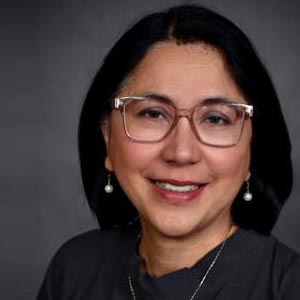
With a rich background that includes roles such as Patient Care Director at NYP/Columbia University Irving Medical Center and Director of Nursing at New York Presbyterian-Brooklyn Methodist Hospital, Patricia Punzalan has demonstrated a sincere commitment to advancing healthcare practices. Her extensive experience spans clinical work, academia and quality improvement, showcasing her versatility and deep understanding of the healthcare sector. Punzalan currently serves as the Sr. Director for Patient Care Services at Dignity Health, bringing over a year of dedicated service to the organization. Her primary focus is on realigning clinical practices with evidence-based guidelines, along with redesigning workflows to eliminate redundancy and enhance efficiency. Her current projects aim at laying the groundwork for achieving excellence in patient care services.
Through this article, Punzalan discusses how she navigated her transition from the Philippines to the U.S. healthcare system, her ascent through various leadership roles and her insights on the current challenges and trends in the U.S. healthcare.
How has your journey been in the patient care services industry?
My journey in the healthcare industry began when I migrated to the U.S. from the Philippines in 2004. At the start of my career in Brooklyn, New York, I took on the role of a nurse manager, despite arriving from a foreign country with limited knowledge of the U.S. healthcare regulatory requirements like Joint Commission standards. I embarked on a steep learning journey, educating myself from scratch through online resources and with the support of a few trusted colleagues. Fast forward to today, that rigorous learning curve and the support I received have been instrumental in shaping my career and bringing me to where I stand now.
I started with two community hospitals in Brooklyn before advancing to a major healthcare system on the East Coast as a patient care director. Returning to Brooklyn at New York Presbyterian's Methodist Hospital, I served as a director, overseeing acute care services, including emergency, critical care and other units. Throughout my career, I have held various leadership roles with expertise in process improvement, which I believe, is an essential skill in leadership.
Currently, as a Senior Director of Nursing, my primary focus is to ensure the nursing departments I manage align with the organization's strategic goals, providing direction and support to ensure a cohesive effort toward our objectives.
Where do you expect the healthcare industry moving forward in the next 12 to 18 months?
Globally, the healthcare industry has made significant strides but continues to face challenges from regulatory changes, evolving reimbursement models and the recent healthcare plans discussed in the State of the Union address, including medication costs and copay reductions. These developments in a complex geopolitical landscape will undoubtedly influence future healthcare directions. Besides, the sector struggles with hiring and retaining healthcare workers, with a notable shift of professionals to other industries. International recruitment is being revisited as a solution, although it raises concerns about its impact on the source countries, potentially leading to a brain drain.
In the contemporary climate, the rise of artificial intelligence (AI) represents a major technological evolution, offering improvements in efficiency, efficacy and patient safety. However, despite the advancements AI brings, the irreplaceable value of human touch and empathy in healthcare remains paramount, underscoring that technology cannot replace the humanity healthcare workers provide.
The articles from these contributors are based on their personal expertise and viewpoints, and do not necessarily reflect the opinions of their employers or affiliated organizations.
EDITOR'S Choice

Fortune Brands Innovations [NYSE: FBIN]
By Juan Guerrero, Director, IT Audit & Data Analytics
The IT Audit Evolution: From Compliance to Strategic Intelligence
Broad River Retail
Wes Dudley, Senior Vice President, Customer Experience
Customer Experience in the Age of Amplified Complexity
Fortune Brands Innovations [NYSE: FBIN]
Scott Barnes, Sr. Director of Enterprise Cyber Security (CISO)
The X-Factor in Cybersecurity: AI and Automation at Work

LHarris Technologies [NYSE: LHX]
Brian Allred, Director of Business Intelligence and Analytics
The Shift from Rigid Dashboards to Conversational Analytics
Ivar's Restaurants
Patrick Yearout, Director of Innovation, Recruitment & Training
From Hiring to Development: Nurturing Teams that Care