-
Technology
-
Industry
-
Solutions
-
- ASSET MANAGEMENT
- CUSTOMER EXPERIENCE MANAGEMENT
- CYBER SECURITY
- DATA CENTER
- DOCUMENT MANAGEMENT
- ELECTRONIC DATA INTERCHANGE
- ENTERPRISE DATA MANAGEMENT
- ENTERPRISE RESOURCE PLANNING
- ENTERPRISE RISK MANAGEMENT
- ENTERPRISE-GRADE WEB DATA SOLUTIONS
- FACILITY MANAGEMENT
- FIELD SERVICE
- IDENTITY AND ACCESS MANAGEMENT
- INFRASTRUCTURE
- IT SERVICE MANAGEMENT
- MANAGED IT SERVICES
- PAYMENT AND CARD
- PROJECT MANAGEMENT
- SOFTWARE TESTING
- STORAGE
- VIDEO SOLUTIONS
- WORKFLOW
-
-
Platforms
-
Functions
- Leadership Perspectives
- Innovation Insights
- Research
- Magazines
- News
- CXO Awards


Contributory Virtus Investment Partners on the invitation from our Editorial

Intech Mechanical Company
James F. Childers, MBA, MSML, Vice President, Service and AutomationTechnology is an Investment. Leadership Determines the Return
James F. Childers, MBA, MSML, Vice President, Service and Automation
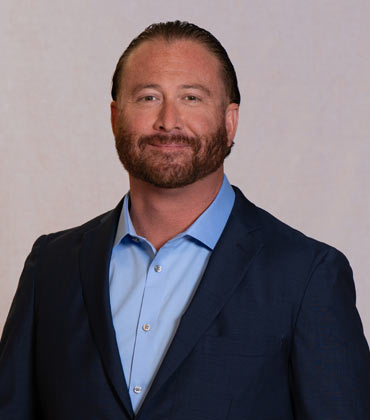
James F. Childers
Every organization today faces pressure to modernize. Whether implementing a new ERP system, adopting automation, embracing artificial intelligence, or investing in digital transformation, executives are constantly being asked to make technology decisions.
I believe those conversations often start in the wrong place.
Technology doesn't transform organizations. Leadership does.
Throughout my career, I've learned that successful technology initiatives are rarely determined by the software itself. More often, they succeed or fail because of the leadership surrounding the implementation. Technology is simply the tool. Leadership determines whether that tool creates value.
One lesson that has shaped my leadership philosophy is that leadership is never one-size-fits-all. The way you lead in a boardroom is not the way you lead on a construction site. Every person communicates, learns, and responds to feedback differently. Great leaders take the time to understand their people because successful transformation isn't just about changing systems. It's about helping people successfully navigate change.
One of the greatest leadership lessons I've learned is that decisive leadership should never be confused with impulsive leadership.
Early in my career, a mentor shared a philosophy that has stayed with me ever since: “I win more for one reason, I move fast. By the time most people are done analyzing, I've already made three mistakes and found a better way.” That mindset has influenced how I lead. People want leaders who are confident enough to make decisions.
However, moving fast doesn't mean moving carelessly.
Technology should solve a clearly defined business problem, not simply check a box. Leaders must evaluate solutions thoroughly, understand the long-term impact, and then execute with confidence. Organizations struggle when they either rush implementation without proper planning or spend so much time analyzing that they never make a decision. The goal is simple: evaluate thoroughly, then execute decisively.
 Technology doesn't transform organizations. Leadership does.
I learned that lesson firsthand while serving on the team evaluating a major enterprise software platform. After investing significant time and resources into the selection process, our leadership team made the difficult decision to stop the implementation before it began. We recognized we were trying to force a solution that wasn't the right fit for the organization. Just as importantly, we had not gained the confidence and buy-in of the leaders who would have been responsible for driving its adoption. It was a costly decision in the short term, but it prevented a much greater failure later. Looking back, that experience reinforced an important lesson: sometimes the best leadership decision isn't moving forward. It's having the courage to pause.
Another misconception I frequently see is the belief that successful change requires everyone to agree with the decision.
It doesn't.
Buy-in isn't unanimous agreement. Buy-in is ensuring people understand the vision. Employees deserve to know why the organization is changing, what problem is being solved, and how success benefits everyone involved. When leaders communicate that vision and genuinely listen to understand rather than simply respond, they build trust, even among those who may initially disagree.
Every successful implementation also requires what I call a Single Point of Accountability (SPA). Too often, responsibility is spread across committees or multiple departments until no one truly owns the outcome. Every major initiative deserves one accountable leader who owns the effort from planning through long-term adoption. Shared responsibility almost always leads to diluted accountability.
Selecting the right technology is only half the equation. Organizations often spend months comparing software features while giving little attention to implementation quality and long-term support. Even outstanding technology will struggle if it's implemented poorly or if support disappears once the contract is signed. The vendor you choose is just as important as the product you buy.
Leaders must also remember that their responsibility is to lead.
I often compare leadership to the conductor of an orchestra. If the conductor drops the baton to pick up an instrument, the orchestra loses the person responsible for keeping everyone in sync. Executives should remain engaged, but they must also preserve the time and perspective needed to provide vision, remove obstacles, and keep the organization moving forward. Someone has to stay focused on tomorrow while everyone else is executing today.
At its core, leadership creates confidence. People want to know their airplane has a pilot. They want leaders who communicate a clear vision, make thoughtful decisions, genuinely care about people, and challenge them to become better than they thought possible.
When I think about the legacy I hope to leave behind, it isn't measured by the technology I implemented or the systems I selected. I hope people remember that I challenged them because I believed in them, that I was demanding but fair, and that I expected their best because I knew they were capable of more than they believed themselves. Everyone wants to be part of a winning team, and great leaders create environments where people achieve more together than they ever could alone.
Technology will continue to evolve. Great leadership principles will not. Organizations that recognize the difference won't simply implement new technology. They'll build cultures capable of transforming alongside it.
The articles from these contributors are based on their personal expertise and viewpoints, and do not necessarily reflect the opinions of their employers or affiliated organizations.
EDITOR'S Choice

Fortune Brands Innovations [NYSE: FBIN]
By Juan Guerrero, Director, IT Audit & Data Analytics
The IT Audit Evolution: From Compliance to Strategic Intelligence
Broad River Retail
Wes Dudley, Senior Vice President, Customer Experience
Customer Experience in the Age of Amplified Complexity
Fortune Brands Innovations [NYSE: FBIN]
Scott Barnes, Sr. Director of Enterprise Cyber Security (CISO)
The X-Factor in Cybersecurity: AI and Automation at Work

LHarris Technologies [NYSE: LHX]
Brian Allred, Director of Business Intelligence and Analytics
The Shift from Rigid Dashboards to Conversational Analytics
Ivar's Restaurants
Patrick Yearout, Director of Innovation, Recruitment & Training
From Hiring to Development: Nurturing Teams that Care